Se estiver frio lá fora, você pode se ver repentinamente parado por causa de uma bateria descarregada. Mas com o conhecimento certo, você pode resistir ao frio. Esta lista de verificação contém sete dicas indispensáveis em cada uma das cinco categorias importantes, desde a manutenção da bateria até uma condução inteligente e a seleção de equipamentos. Siga estas estratégias e você poderá percorrer milhares de quilômetros com sua bicicleta elétrica no inverno, manter a bateria em bom estado, ter uma pedalada mais confortável enquanto maximiza a autonomia e saber que, não importa qual aventura em clima frio surja, você estará pronto para pegar a estrada com confiança.
1. Armazenamento estratégico e preparação pré-viagem
A chave para um passeio bem-sucedido no frio começa muito antes de você sair de casa. O fator mais importante é como você armazena e prepara sua bateria, o que faz toda a diferença na manutenção da autonomia e na saúde geral da mesma. O frio resfria as células de íon-lítio, dificultando as reações químicas e a descarga de energia. A melhor maneira de garantir que esse componente essencial continue funcionando é fornecer uma base quente e estável para ele. Nunca, JAMAIS, deixe sua bicicleta elétrica, ou pelo menos a bateria, do lado de fora durante a noite, quando as temperaturas estiverem abaixo de zero! Um pouco de planejamento prévio evita horas de frustração mais tarde.
-
Leve a bateria para dentro:
A primeira regra para a manutenção de bicicletas elétricas no inverno: após cada uso, retire a bateria e leve-a para um local climatizado, onde a temperatura não ultrapasse ou caia constantemente entre 15 e 25 °C. Isso mantém a composição química interna da bateria em condições ideais de funcionamento.
-
Carregar à temperatura ambiente, nunca abaixo de:
Acima de tudo, nunca tente carregar uma bateria completamente congelada ou muito fria. Isso pode levar à deposição de lítio nas células da bateria, um tipo de dano permanente e praticamente irreversível. Sempre deixe a bateria fria retornar à temperatura ambiente por algumas horas antes de carregá-la.
-
Instalação de última hora:
Para aproveitar ao máximo cada volt, certifique-se de manter a bateria aquecida e em local fresco dentro de casa até o último segundo antes de sair. Uma bateria aquecida será muito mais eficiente do que uma que tenha ficado no frio, mesmo que por apenas 30 minutos. Essa dica simples pode te dar um pouco mais de potência inicial e autonomia.
-
Monitore a pressão dos pneus:
O ar frio é mais denso e causa perda de pressão nos pneus. Pneus com pressão insuficiente aumentam a resistência ao rolamento, o que significa que o motor e a bateria precisam trabalhar mais para atingir a mesma velocidade. Calibre e verifique a pressão dos pneus antes de cada passeio no inverno para manter a máxima eficiência.
2. Habilidades de pilotagem eficazes para o motociclista inteligente
Além de simplesmente te permitir sair no frio, a forma como você pilota tem um impacto direto no consumo da bateria. Pilotar de forma agressiva, algo que você tolera no verão, pode ser fatal para a sua autonomia no inverno. A bateria tem capacidade limitada e o frio a consome mais rapidamente; pense na sua energia como uma moeda que você deve usar com sabedoria, pilotando de forma suave e inteligente. Isso significa moderar o uso do acelerador e da assistência ao pedal, planejar a direção e aprender como seus comandos afetam o consumo de energia. Pilotar de forma mais conservadora pode ajudar a recuperar boa parte da autonomia perdida devido ao frio.
-
Seja um navegante gentil:
Comece no modo de assistência ao pedal mais baixo, usando seus próprios músculos para ganhar um pouco de velocidade. Evite acelerar nos três primeiros segundos da partida e tenha cuidado ao acelerá-la, caso contrário, haverá um pico de energia que consumirá rapidamente a bateria. Quanto menor o nível de assistência, menor o consumo de energia.
-
Não acelere nem desacelere:
A aceleração e desaceleração constantes que acompanham a condução com paradas frequentes são praticamente ineficientes. Tente encontrar um ritmo, sem muita agitação. Em vez disso, olhe para a frente e antecipe as paradas e mudanças no trânsito, para que você possa aproveitar a inércia ou pedalar com mais facilidade, sem precisar frear bruscamente o tempo todo.
-
Escolha rotas mais planas:
Subidas são sempre o inimigo natural da autonomia da bateria (o final da Suicide Hill, a subida mais íngreme de um circuito de quase cinco quilômetros no Prospect Park, é surpreendentemente emocionante e pode consumir alguns quilômetros da sua bateria). Se possível, escolha um trajeto para o trabalho ou um passeio de bicicleta tranquilo que evite subidas. Uma rota mais curta e com mais subidas quase certamente exigirá mais energia do que uma mais longa e plana.
-
Mantenha a transmissão da sua bicicleta elétrica limpa:
No inverno, as estradas ficam enlameadas e cheias de sal, o que não é bom para a corrente e as engrenagens. O atrito aumenta com a transmissão suja, o que significa que o motor precisa trabalhar mais. Depois de pedalar na lama, uma limpeza rápida e uma nova lubrificação da corrente garantem o bom funcionamento de tudo.

3. A bicicleta elétrica definitiva para o inverno

Claro, dicas e técnicas são essenciais, mas começar com o equipamento certo é uma clara vantagem. Uma bicicleta elétrica projetada especificamente para lidar com condições desafiadoras pode tornar o ciclismo de inverno não apenas suportável, mas emocionante. Entre os recursos a serem considerados estão uma bateria de alta capacidade para preservar a autonomia, pneus largos que proporcionam melhor tração e suspensão robusta para enfrentar sulcos congelados.

-
Elimine a ansiedade relacionada ao alcance:
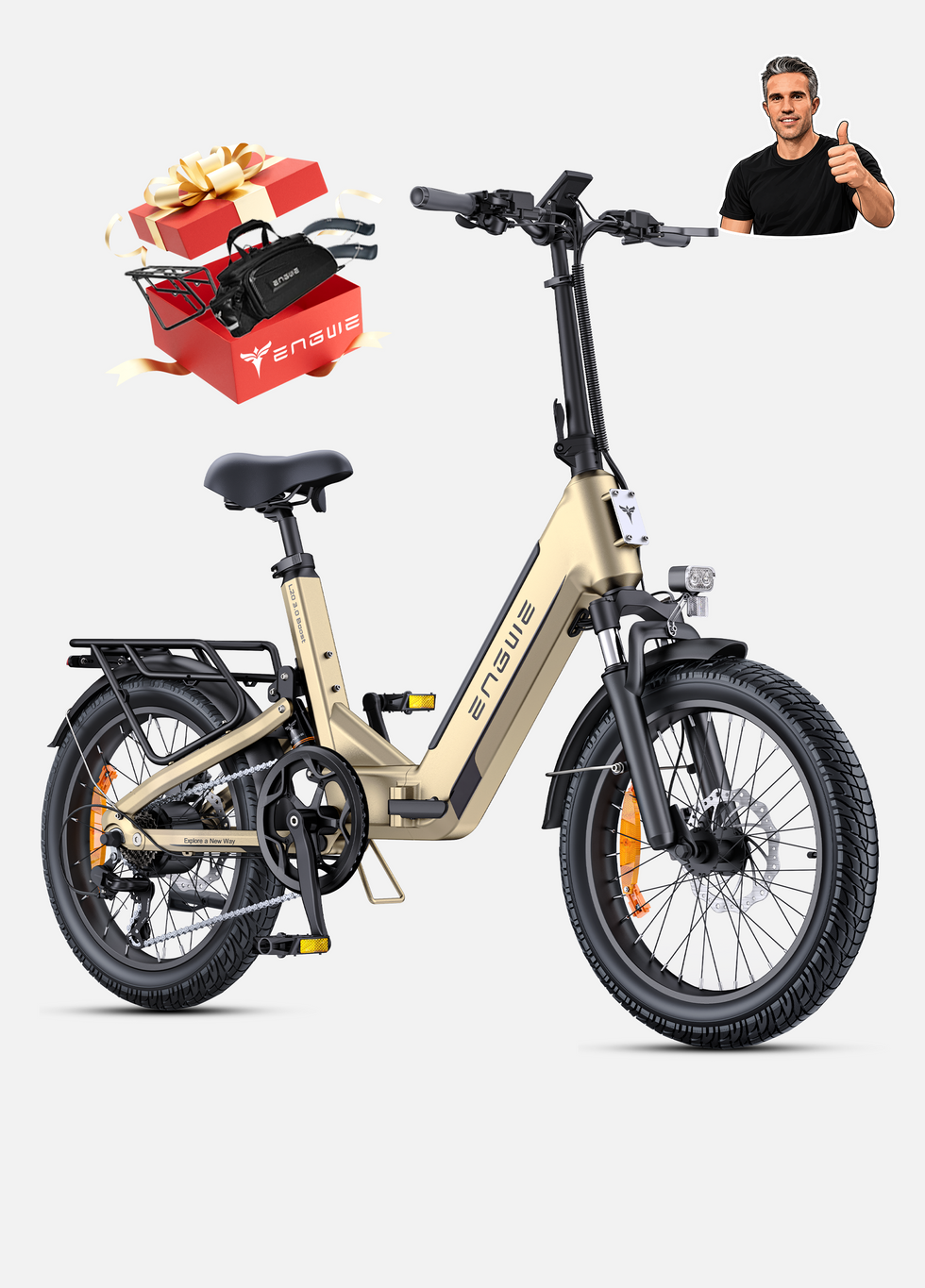
ENGWE M20 Possui um sistema opcional de bateria dupla (48V 26Ah no total) que proporciona uma enorme reserva de energia. Este kit também oferece uma autonomia impressionante de 75 km + 75 km, portanto, mesmo após uso intenso em climas frios, você chegará ao seu destino sem problemas. -
Enfrente todos os terrenos:
Possui pneus largos Mountain 20x4.0 de tripla camada. A ampla área de contato e o design equilibrado permitem que este pneu tenha excelente desempenho na neve, lama ou gelo, oferecendo estabilidade e aderência.
-
Conforto e controle incomparáveis:
A M20 é uma bicicleta de montanha de alta gama e com dupla suspensão, única no seu género, que oferece conforto e controlo incomparáveis. Esta dupla suspensão proporciona o dobro da absorção de impactos, suavizando terrenos irregulares e gelados e oferecendo uma condução confortável e estável.
-
Motor potente e sistema de freios robusto:
Com 55 N.m Motor potente sem escovas para superar os obstáculos na neve e freios a disco dianteiros e traseiros de 160 mm, permitindo controlar a velocidade e a potência com facilidade.
4. Cuidados com o carregador e a bateria
Cuidar bem da bateria é uma rotina para o ano todo, mas os riscos são ainda maiores no inverno. Sua bateria não gosta do frio, e maus hábitos de carregamento podem reduzir sua vida útil e comprometer sua capacidade. O objetivo final é minimizar o nível de estresse por meio de uma prática de carregamento metódica e contínua. Isso inclui conhecer o nível ideal de carga durante o uso e o armazenamento, e cuidar da bateria após ela ter sido exposta às intempéries.Essas mesmas práticas não só ajudarão a melhorar sua autonomia diária no inverno, como também permitirão que seu caro investimento em baterias dure por muitas temporadas, pelo resto da sua vida.
-
Siga a regra dos 20-80%:
Para uma saúde ideal a longo prazo, procure manter o nível de carga da sua bateria entre 20% e 80%. Carregar repetidamente até 100% ou descarregar até 0% sobrecarrega as células, especialmente em climas frios. Não há problema em carregar até 100% imediatamente antes de uma viagem longa, mas, em geral, evite deixar a bateria totalmente carregada por um período prolongado.
-
Aquecimento antes do carregamento:
Novamente, você precisa fazer isso. Ao retornar para casa, leve a bateria para dentro e deixe-a em temperatura ambiente por uma ou duas horas antes de conectá-la à tomada. Essa simples espera é uma das melhores coisas que você pode fazer para proteger seu investimento.
-
Armazenamento de inverno a longo prazo:
Se for guardar a sua bicicleta elétrica durante o inverno, não a deixe com a bateria 100% carregada nem completamente descarregada. A carga ideal para armazenamento é entre 40% e 60%. Guarde-a num local fresco, seco e interior e verifique a carga mensalmente ou a cada dois meses, completando-a até ao nível indicado se este baixar.

5. Acessórios Essenciais e Manutenção Pós-Passeio
O último item do "quebra-cabeça da linha de inverno" é proteger seu equipamento com os acessórios certos e manter uma rotina de manutenção consistente. Manter a bateria protegida do frio externo, isolada do impacto do gelo, significa que ela permanecerá aquecida durante o uso, preservando sua energia. Da mesma forma, limpar a bicicleta após um passeio na lama e no sal evita a corrosão e mantém os componentes funcionando livremente, reduzindo o atrito que desperdiça energia. Esses são pequenos investimentos em tempo e equipamentos que geram grandes retornos em desempenho e durabilidade.
-
Capas de neoprene para baterias:
Esses são um dos melhores e mais econômicos investimentos em bicicletas elétricas para o inverno. A bateria é protegida por uma capa isolante simples que retém o calor gerado durante o funcionamento. Isso mantém a bateria próxima da temperatura ideal, melhorando diretamente a eficiência e a autonomia.
-
Pneus de inverno especializados:
Os pneus largos que vêm com, por exemplo, uma bicicleta como a
ENGWE M20 São muito bons, mas se as condições do gelo forem extremas, considere comprar pneus com pregos de marcas especializadas. Eles aderem como velcro no gelo sólido. -
Lubrificante para corrente para uso em condições de chuva ou para todas as condições climáticas:
Os lubrificantes secos comuns não são compatíveis com o inverno. A chuva não lhes faz bem – dissolvem-se facilmente. Mude para um lubrificante "para piso molhado" ou para todas as condições climáticas, algo mais espesso e um pouco mais resistente à ação da água e da lama, para que a sua transmissão continue a funcionar sem problemas.
A tabela a seguir descreve o efeito médio do frio na autonomia:
| Temperatura (°C/°F) | Redução estimada da amplitude |
|---|---|
| 20°C/68°F | 5% (Ideal) |
| 0°C/32°F | 15-25% |
| -10°C/14°F | 30-40% |
| -20°C/-4°F | 40-50%+ |
Qual a melhor dica para conservar a autonomia da bateria no inverno?
A medida mais importante que você pode tomar é sempre manter a bateria dentro de casa e carregá-la em um ambiente com temperatura controlada. Baterias que se mantêm aquecidas têm melhor desempenho e funcionam melhor.
Devo guardar o carregador da minha bicicleta elétrica em uma garagem fria?
Não. O clima frio pode afetar negativamente a bateria e o carregador. Mantenha a bateria e o carregador em local fechado para carregá-los à temperatura ambiente.
Será que dar partida com a bateria aquecida faz muita diferença se ela vai esfriar logo em seguida?
Sim, você não terá a mesma perda de autonomia, pois a bateria esfriará por estar exposta ao ar enquanto você estiver pilotando. No entanto, começar com uma bateria aquecida reduz consideravelmente a perda de carga durante o funcionamento, em comparação com começar com uma bateria fria.
Aproveite a temporada e pedale com confiança.