Você não precisa deixar o frio do inverno atrapalhar sua temporada de pedaladas. Mas as baixas temperaturas são o pior inimigo da bateria de íon-lítio de uma bicicleta elétrica, limitando sua autonomia total e impactando o desempenho a curto e longo prazo. Tomar medidas para minimizar esses efeitos é fundamental para proteger seu investimento e garantir que sua e-bike esteja pronta para uso. Este artigo apresenta 10 dicas importantes e práticas para cuidar da bateria da sua e-bike durante os meses de inverno.
Dimensão 1: Protocolos inteligentes de armazenamento e carregamento
A etapa mais importante na manutenção em clima frio é realizada quando você não está pilotando. As baterias de íon-lítio possuem um ponto de operação ideal em termos de temperatura de armazenamento e carregamento, e ignorar isso é a maneira mais rápida de sofrer perda irreversível de capacidade. Uma boa manutenção fora da moto é essencial para garantir a longevidade da sua bateria, ajudando a evitar gastos com substituição prematura. É crucial estabelecer um cronograma regular para manter a composição química delicada das células da sua bateria intacta.
Dica 1: Guarde sempre a bateria em local fechado.
Esta é a regra de ouro. Quando guardar sua bicicleta elétrica por mais de uma hora em temperaturas próximas de zero (0°C/32°F) ou mais baixas, remova a bateria e leve-a para um ambiente com temperatura ambiente (entre 15-25°C/60-77°F) para evitar danos. Uma bateria exposta ao frio extremo terá muito menos potência e autonomia.
Dica 2: Carregue apenas à temperatura ambiente.
Nunca conecte o carregador a uma bateria fria. Leve-a para dentro de casa (o ideal é não deixá-la em uma garagem fria) após o passeio de bicicleta e deixe-a em temperatura ambiente por 2 a 3 horas antes de conectar o carregador.
Dica 3: Não carregue uma bateria congelada.
Uma bateria que é carregada em temperaturas iguais ou inferiores a zero pode sofrer um fenômeno conhecido como deposição de lítio metálico, que é irreversível. Isso reduz a potência e pode contribuir para curtos-circuitos internos.
Dica 4: Mantenha um estado de carga ideal para armazenamento.
Se você for guardar sua bicicleta elétrica por várias semanas ou meses durante o inverno, não deixe a bateria totalmente carregada nem totalmente descarregada. O ideal é armazená-la entre 40% e 80%. Monitore o nível de carga e complete-o um pouco a cada mês, caso esteja abaixo de 40%.
Fator 2: Desempenho em Condução e Otimização da Autonomia
Quando você está pilotando no frio, a bateria precisa trabalhar mais para fornecer a mesma quantidade de energia. As reações químicas que carregam a bateria para gerar eletricidade são menos eficientes em temperaturas mais baixas, o que se traduz em uma perda significativa de autonomia e potência ao acelerar. Você pode minimizar esse consumo e maximizar a distância percorrida com cada carga alterando seu estilo de pilotagem e se preparando adequadamente, garantindo que não fique sem bateria ao anoitecer ou a quilômetros de casa, sem saber exatamente a que distância está de uma tomada elétrica.
Dica 5: Comece seu passeio com a bateria aquecida.
Se você iniciar sua jornada com uma bateria que tenha sido armazenada em ambiente interno à temperatura ambiente, espere uma autonomia muito maior. Instale-a em sua bicicleta elétrica momentos antes de partir. Isso proporciona à bateria uma vantagem térmica inicial, o que significa que ela pode operar com desempenho máximo ou próximo a ele por um período prolongado.
Dica 6: Use a assistência elétrica com moderação.
No nível máximo de assistência, a bateria se esgotará rapidamente, e o clima frio agravará isso. Sempre que possível, use níveis de assistência mais baixos e pedale mais com a sua própria força. Considere isso uma oportunidade para um treino melhor e, de quebra, economize a sua preciosa bateria.
Dica 7: Monitore a pressão dos seus pneus.
O ar frio é mais denso e pode levar a uma menor pressão nos pneus.Pneus com pressão insuficiente geram maior resistência ao rolamento e também fazem com que o motor e a bateria trabalhem mais a cada metro percorrido. Verifique a pressão dos pneus antes de cada passeio em clima frio e calibre-os até a pressão recomendada na lateral do pneu.

Critério 3: Bicicleta elétrica adequada para clima frio que encomendamos
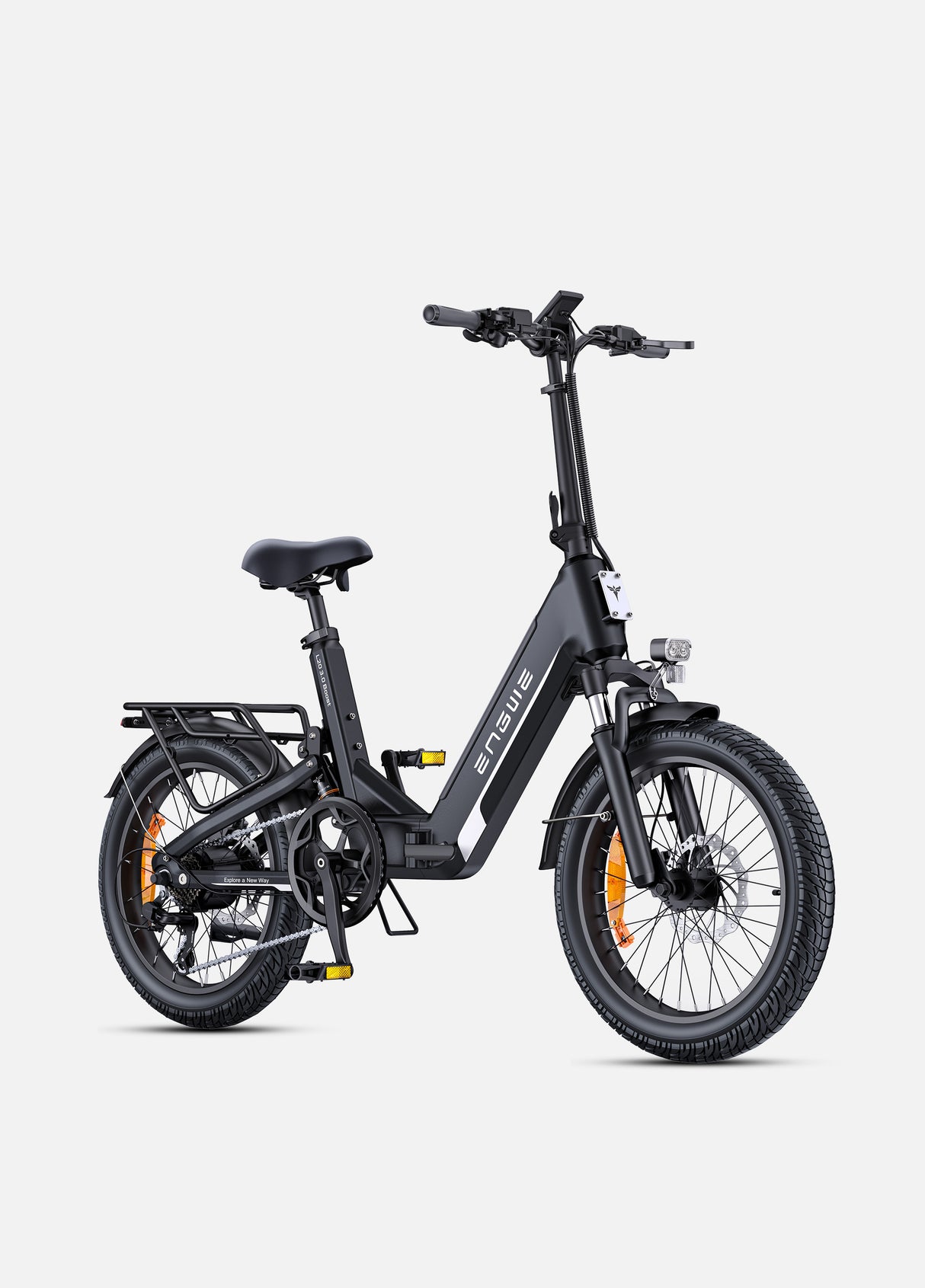
Bicicleta elétrica compacta com suspensão total, potência de 250 W e torque de 75 Nm.
Comprar agoraEmbora todas as dicas acima possam ajudar, você sempre pode começar com uma bicicleta elétrica projetada para durar e ter um bom desempenho o ano todo, simplificando muito sua experiência de pedalada no inverno. Uma e-bike com engenharia especializada oferece potência e autonomia, além da confiabilidade e do conforto necessários para que você possa pedalar com facilidade. Marcas renomadas como

| Recurso | |
|---|---|
| Motor | Motor de cubo padrão europeu de 250 W |
| Torque máximo | 75 Nm (com Modo Boost) |
| Bateria | Bateria de íon-lítio 48V*13,5Ah (648Wh) |
| Distância máxima | Até 135 km (PAS 1) |
| Tempo de carregamento | Aproximadamente 2 horas (via carregador rápido de 8A) |
| Suspensão | Sistema de suspensão total (ajustável na dianteira e na traseira) |
| Freios | Freios a disco hidráulicos de 180 mm na dianteira e na traseira |
| Sensor | Sensor de torque |
Finalidade 4: Acessórios indispensáveis para manutenção e proteção.
O inverno não se limita a simplesmente trazer frio; ele te deixa encharcado de umidade, sais e sujeira — todos esses elementos podem ser extremamente corrosivos para os diversos componentes da sua bicicleta elétrica, principalmente para o sistema elétrico. O uso preventivo de equipamentos de proteção e uma rotina confiável de manutenção pós-pedalada são maneiras econômicas de evitar gastos inesperados com reparos caros no futuro. Esses investimentos relativamente pequenos em tempo e equipamentos rendem grandes benefícios na manutenção do funcionamento e da aparência da sua bicicleta elétrica.
Dica 8: Use uma capa de neoprene para a bateria.
Este é um dos acessórios com melhor custo-benefício para ciclismo de inverno. Uma capa de neoprene envolve a bateria como uma jaqueta. Ela funciona como um isolante térmico para a energia térmica produzida pela bateria durante o uso, ajudando a mantê-la aquecida e a preservar seu desempenho, o que pode economizar muitos quilômetros em dias especialmente frios.
Dica 9: Mantenha limpo e seco.
O sal de estrada é altamente corrosivo.Após pedalar em estradas tratadas, limpe o quadro da sua bicicleta elétrica, a carcaça do motor e, principalmente, os contatos da bateria com um pano úmido. Certifique-se de que a base da bateria e os conectores estejam completamente secos antes de reinserir a bateria para evitar curto-circuito ou corrosão.
Outros equipamentos de proteção a considerar:
- Para-lamas com cobertura total: Esses itens ajudarão a proteger sua bateria, motor e transmissão contra respingos corrosivos de água e lama.
- Lubrificante para corrente para todas as condições climáticas: Aplique um lubrificante "para piso molhado" ou para todas as condições climáticas para que sua corrente não enferruje ou trave.
- Pneus de inverno: Os cravos proporcionam aos ciclistas em áreas propensas a gelo um enorme aumento em segurança e controle, reduzindo o risco de quedas que poderiam danificar tanto o ciclista quanto a bicicleta.

Dimensão 5: Conhecimento sobre a saúde da bateria e gestão a longo prazo
Além das dicas do dia a dia, um conhecimento mais profundo dos limites e da saúde da sua bateria é fundamental para prolongar sua vida útil por vários invernos. Com o estresse do clima frio, o envelhecimento natural da bateria pode ser acelerado se não for devidamente controlado. Conhecimento é poder, e quando você sabe como sua moto deve se comportar, pode prevenir problemas antes que eles se tornem reais, o que se traduz em milhares de ciclos de carga e anos de serviço confiável da sua bateria.
Dica 10: Conheça seus limites e planeje suas viagens.
Saiba que o frio limita a autonomia da sua bicicleta elétrica. Em temperaturas abaixo de zero, a autonomia pode diminuir entre 20% e 40%. Planeje seus passeios levando isso em consideração e tenha em mente que você só poderá usar a bateria até certo ponto. É melhor levar uma carga extra e chegar ao seu destino com alguma autonomia restante do que pedalar uma bicicleta elétrica pesada e sem bateria no frio.
Verificar o estado da bateria:
Algumas bicicletas elétricas exibem o estado da bateria e o número de vezes que ela foi carregada. Se essa informação estiver disponível, monitore também esses dados ao longo do tempo. Uma queda drástica na capacidade máxima pode indicar que a bateria está chegando ao fim de sua vida útil.
Evite extremos, tanto de baixa quanto de alta intensidade:
Manter a bateria sempre em 100% ou perto disso também não é o ideal, então fique de olho na duração da bateria e evite picos e quedas extremas. O ideal é terminar seus passeios quando o nível da bateria estiver acima de 20% e começar a carregá-la a partir daí. Só isso já prolongará bastante a vida útil da bateria.
Perguntas frequentes respondidas
P1: Qual é o conselho mais importante para cuidar de uma bateria durante o inverno?
A: Sem dúvida, retire a bateria da bicicleta e guarde-a em local fechado, à temperatura ambiente, quando não estiver em uso.
P2: Quanta autonomia devo realmente perder no frio?
A: Você pode perder de 20 a 40% da sua autonomia em temperaturas abaixo de zero. A quantidade exata é influenciada pela temperatura, vento, terreno e nível de assistência.
P3: Deixar a bateria carregando durante a noite pode danificá-la?
A: Carregadores modernos de boa qualidade e Sistemas de Gerenciamento de Bateria (BMS) evitam a sobrecarga, mas, para prolongar a vida útil da bateria, a melhor prática é desconectá-la da tomada quando estiver totalmente carregada.
Ao utilizar essas abordagens, você pode pedalar com segurança durante todo o inverno, sabendo que está garantindo o desempenho ideal e mantendo a saúde da parte mais importante da sua bicicleta elétrica.