Poucas experiências são tão gratificantes quanto construir uma bicicleta elétrica incrível do zero. Isso permite que você crie uma bicicleta perfeitamente ajustada ao seu corpo, estilo de pilotagem e aventuras planejadas. Esqueça as soluções genéricas. Este guia oferece um roteiro simples de cinco etapas para gerenciar as decisões que você precisa tomar. Da transmissão à suspensão, passando pelos controles e detalhes de luxo, vamos abordar os principais aspectos para criar a sua e-bike perfeita.
Passo 1: Determine seu uso e estilo de pilotagem principal
Antes de escolher qualquer componente, você precisa definir sua missão. Tudo se resume ao que você quer que sua bicicleta elétrica faça, e isso determina todo o resto — do design do quadro à escolha dos pneus. A melhor dica para economizar dinheiro e garantir satisfação é ser honesto sobre seu principal uso. Quando você desce da montanha e vai para a cidade, uma bicicleta feita para trilhas será pesada e difícil de manobrar, e uma bicicleta urbana leve não aguentará terrenos acidentados. Responder à pergunta: “O que vou fazer com esta bicicleta 90% do tempo?” é o primeiro passo fundamental. Analise bem estes perfis típicos de ciclistas:
- O passageiro urbano: Em busca de chegar mais rápido, com mais segurança e melhor equipado para ambientes internos, você quer uma bicicleta que aguente as ruas da cidade, transporte seus pertences essenciais e resista ao desgaste diário.
Fatores-chave:
Motor central ou motor de cubo silencioso, luzes integradas, para-lamas para proteção contra intempéries, bagageiro traseiro para alforjes ou bolsa e pneus resistentes a furos.
- O aventureiro para todos os terrenos: Você quer versatilidade e potência para encarar caminhos de cascalho, trilhas de terra nas montanhas ou passeios de bicicleta antes do trabalho.
Especificações principais:
Motor de alto torque, bateria de grande capacidade para longas viagens (ou mais torque), suspensão dupla robusta e freios a disco hidráulicos para frenagem eficiente, além de pneus largos e com cravos que proporcionam ótima aderência ao solo.
- O Cruzeiro Gentil: O conforto é fundamental. Você precisa sentar-se ereto e confortavelmente ao pedalar em ciclovias e explorar a cidade.
Triagem:
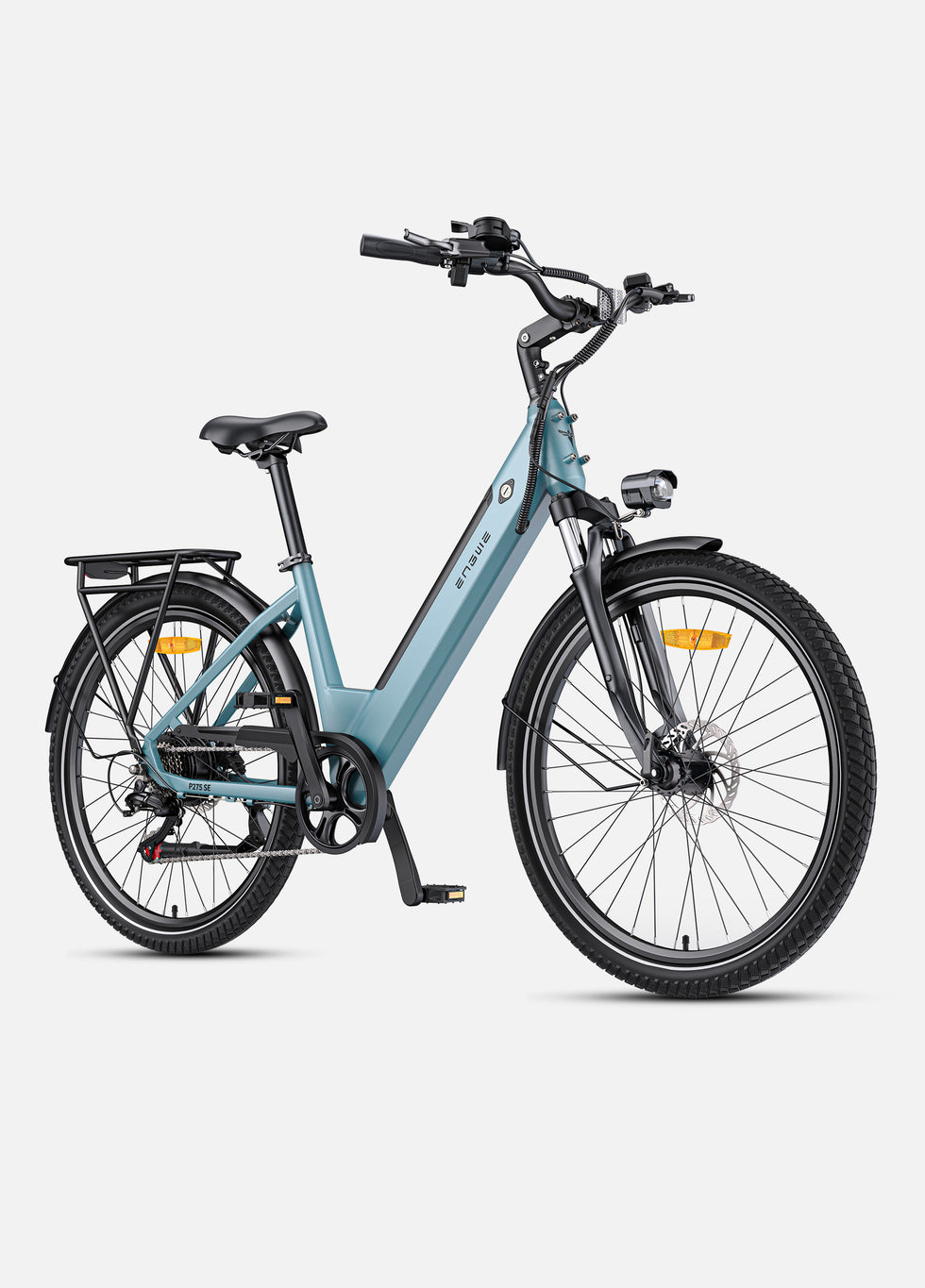
Um quadro baixo e com entrada facilitada para subir e descer; um selim acolchoado com molas que proporciona conforto ao bumbum; guidão curvado para trás para uma pilotagem relaxada; e assistência do motor previsível.
- O Transportador de Carga: Sua bicicleta elétrica serve como substituta do carro, para ir ao supermercado ou entregar mercadorias, por exemplo.
Características notáveis:
Estrutura robusta com alta capacidade de carga máxima, motor potente e alto torque para transportar uma grande quantidade de peso, bagageiros dianteiros ou traseiros integrados e um descanso lateral ultraestável.
Etapa 2: Escolha o conjunto motopropulsor principal: motor e bateria

Bicicleta elétrica todo-terreno com suspensão dupla, 250 W e autonomia de 140 km.
Comprar agoraO motor e a bateria da sua bicicleta elétrica formam a alma da sua e-bike. É essa combinação que determina a potência da sua bicicleta, a sua velocidade e a autonomia com uma única carga. Mas tentar fazer tudo sozinho pode abrir portas para problemas de compatibilidade. Para um sistema robusto e confiável, talvez seja interessante consultar profissionais. É aí que entram marcas como [nome da marca].

O motor – Potência e torque:
O E26 possui um robusto motor sem escovas de 250 W, mas o mais importante é o enorme torque de 70 Nm que ele oferece. Torque é a força rotacional que impulsiona você para frente e para cima de ladeiras, e é por isso que um torque tão alto, de 70 Nm nesta máquina, significa que você subirá qualquer ladeira sem esforço.
A bateria – Autonomia e duração da bateria:
A E26 possui uma bateria interna removível de íon-lítio de alta capacidade, 48V 16Ah. A bateria proporciona uma autonomia máxima de até 140 km com assistência ao pedal, garantindo aventuras de um dia inteiro sem preocupações com a autonomia. Além disso, a bateria pode ser removida e carregada em casa, graças ao tempo de carregamento de 5,5 a 6 horas, garantindo que esteja pronta para uma nova pedalada.
A Vantagem do Sistema Completo:
As vantagens variam desde garantias até funcionalidade, com cada componente de uma bicicleta elétrica coberto pela garantia, o que significa que você não gastará dinheiro com peças e reparos. Um sistema que foi testado garantirá recursos como fornecimento de energia e um visor LCD nítido, eliminando a dificuldade de adquirir peças individuais e a frustração de um desempenho diferente do esperado.

Etapa 3: Escolha os quadros e os sistemas de suspensão
Geometria do quadro:
- Diamante com passo à frente: O quadro da bicicleta antiga. É forte e rígido, o que o torna ótimo tanto para desempenho quanto para pedalar em terrenos acidentados.
- Passo a passo: Oferece uma altura generosa em relação ao solo, facilitando subir e descer da bicicleta. Ótima para passeios na cidade ou para uso casual.
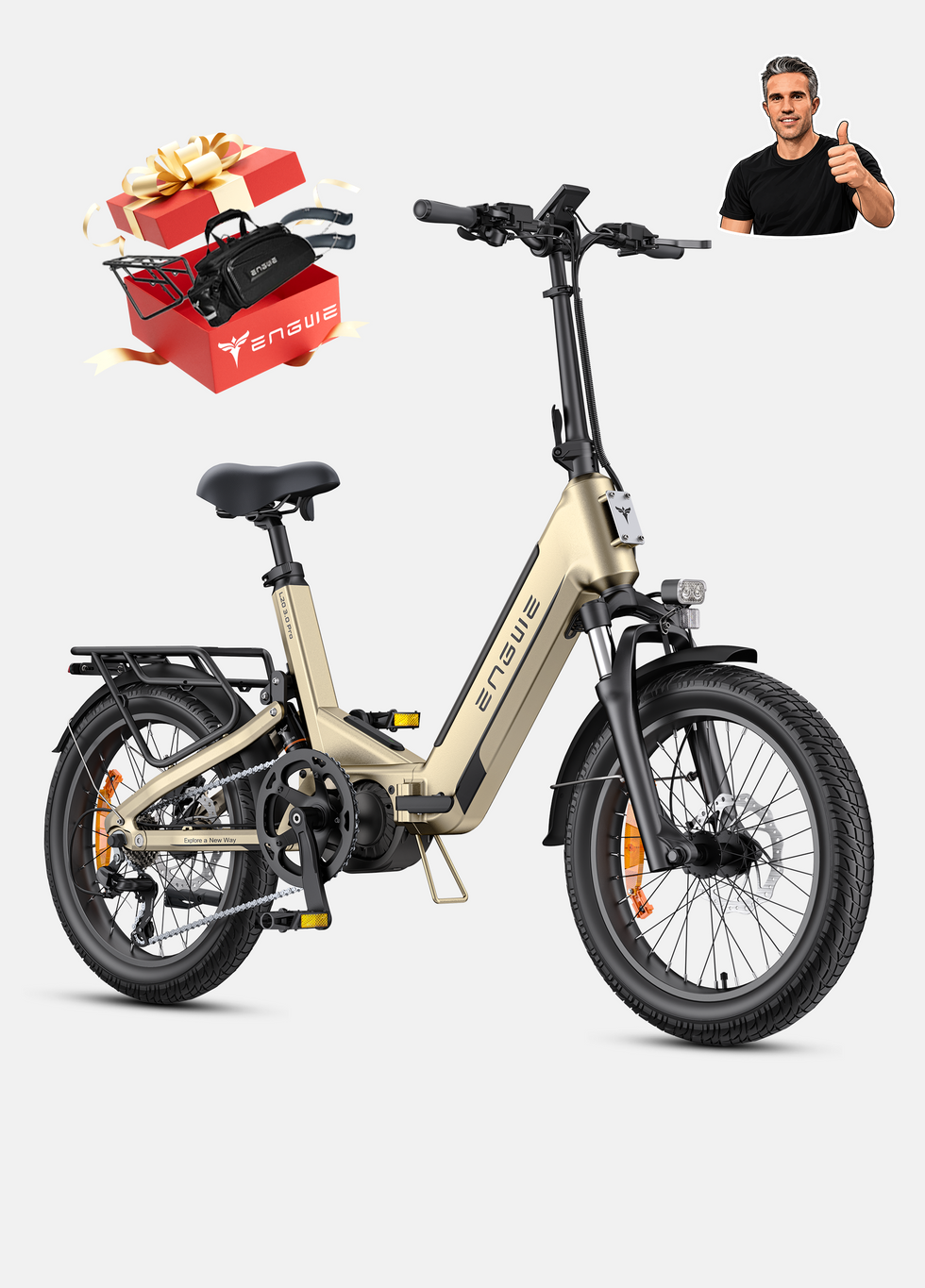
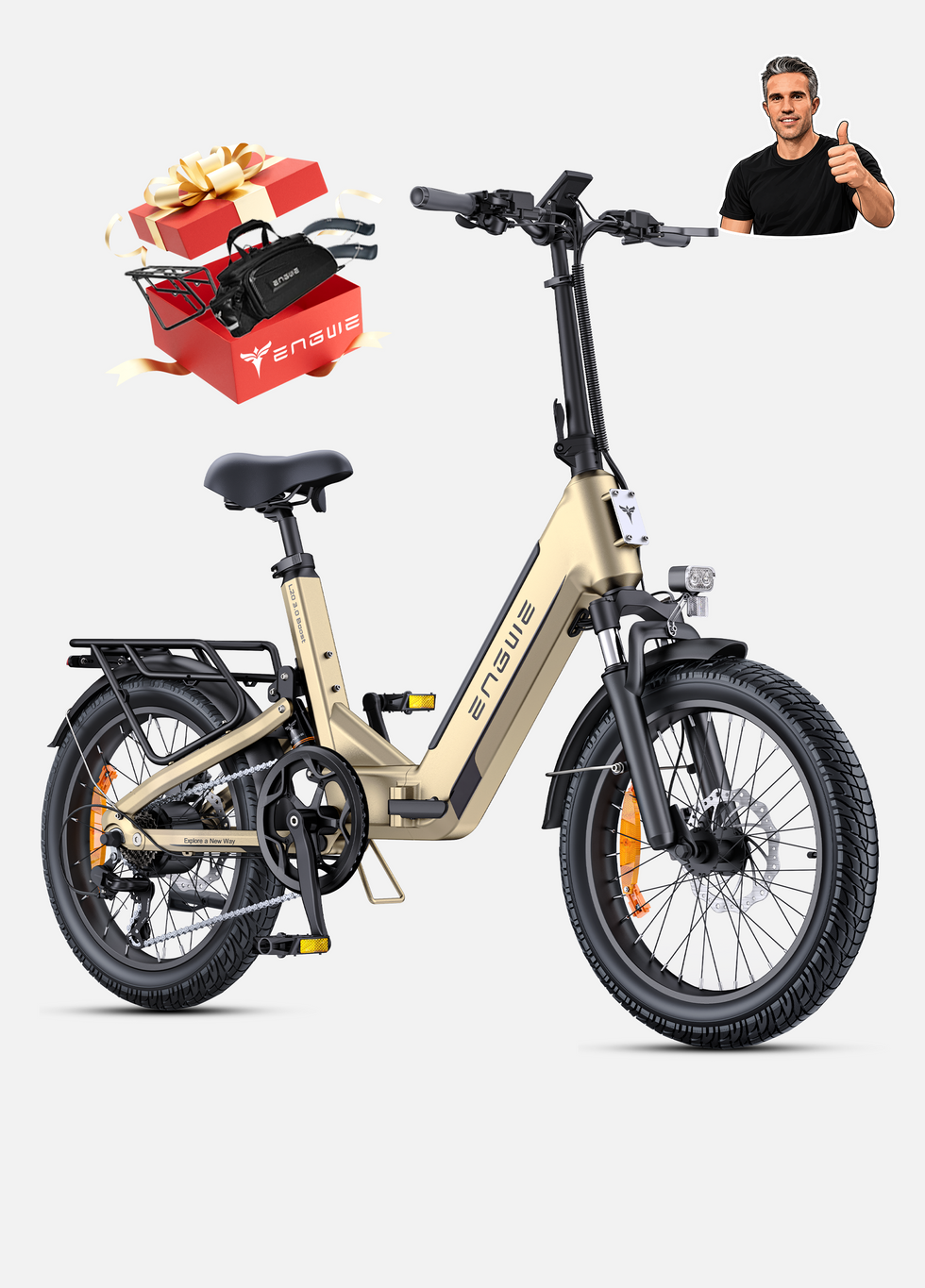
- Dobragem: O quadro é dobrável, tornando a bicicleta compacta para armazenamento ou transporte. Ótimo para deslocamentos diários..
Sistemas de suspensão
Este sistema foi projetado para absorver solavancos e vibrações durante a condução tanto em estradas pavimentadas quanto em terrenos acidentados.
| Tipo de suspensão | Ideal para | Prós | Contras |
|---|---|---|---|
| Duro | Pavimento Escorregadio | Leve, rápido, sem esforço. | Em superfícies irregulares, a suspensão pode ser desconfortável. Pode parecer rígida se você estiver acostumado com suspensão total. |
| Dianteira (Cauda rígida) | Trilhas leves, estradas acidentadas | Conforto em equilíbrio com eficiência. | Mais pesado e mais complexo do que uma estrutura rígida. |
| Duplo (Completo) | Trilha acidentada, todo terreno | Alto nível de conforto e controle. | Sistema mais pesado, mais caro e mais complexo. |
Conselho fundamental: Se você tem aspirações de enfrentar qualquer terreno, uma suspensão dupla é indispensável. Ela trava ambas as rodas para manter a tração máxima, proporcionando o tipo de aderência e estabilidade fora de estrada que há muito tempo tornam a tração nas quatro rodas uma ajuda valiosa.
Etapa 4: Agora considere os freios, a transmissão e as rodas.
Os pontos de contato são a sua interface de controle e potência. Bons freios inspiram confiança e fazem você se sentir seguro, a transmissão transforma sua potência em movimento e as rodas proporcionam uma conexão direta com o solo. Com a velocidade e o peso adicionais de uma bicicleta elétrica, não há como economizar nesses componentes. Investir em produtos de qualidade de marcas confiáveis ajudará a mantê-lo seguro e mais confortável na estrada. É aqui que você pode personalizar ainda mais a personalidade da bicicleta, priorizando a potência de frenagem bruta, uma ampla gama de marchas para terrenos variados ou pneus largos e específicos para terrenos acidentados, se você curte esse tipo de coisa.
Sistemas de frenagem:
- Freios a disco mecânicos: Ativados por cabo. Além disso, são mais fáceis de cuidar e mais acessíveis.
- Freios a disco hidráulicos: As pastilhas são acionadas por meio de fluido hidráulico.Eles oferecem muito mais poder de frenagem, maior modulação dos freios (melhor controle) e um desempenho geral mais consistente. Esta é a opção ideal para mais de 98% das bicicletas!
Principais marcas de componentes:
Procure sistemas da Shimano, SRAM ou Tektro.
Transmissão (Engrenagens):
As engrenagens de uma bicicleta elétrica funcionam em conjunto com o motor, permitindo que você pedale a uma cadência confortável (o número de rotações dos pedais por minuto) em diferentes velocidades e inclinações.
Principais marcas:
As líderes do setor, SHIMANO e SRAM, oferecem trocas de marcha confiáveis para diversos orçamentos. Um sistema de 7 ou 8 velocidades será suficiente para a maioria dos ciclistas que utilizam motores.
Rodas e pneus:
- Largura do pneu: Em asfalto, pneus estreitos são mais rápidos. Pneus mais largos ("fat tyres") (alguns com até 4 polegadas) proporcionam estabilidade, tração e absorção de impactos incríveis, permitindo que você pilote em areia, neve ou trilhas irregulares sem comprometer o desempenho.
- Padrão da banda de rodagem: Procure pneus com sulcos lisos ou semi-lisos se quiser velocidade na estrada, mas pneus com cravos para tração fora de estrada.

Passo 5: Acessórios para Segurança, Funcionalidade e Conforto
Agora é hora de equipar sua nova comitiva com acessórios e itens estilosos que se encaixem na praticidade do uso diário e façam com que ela se torne uma verdadeira extensão de você. É aqui que você transforma uma máquina perfeitamente funcional na bicicleta dos seus sonhos. Selecione acessórios que priorizem a segurança e o seu uso. Sua lista de desejos de acessórios será naturalmente bem diferente se você usa a bicicleta para ir ao trabalho ou para trilhas. E não se esqueça que os acessórios certos trazem mais praticidade e podem aumentar significativamente sua segurança e conforto em cada pedalada, permitindo que você use sua bicicleta elétrica com mais frequência.
Itens Essenciais Obrigatórios para Garantir sua Segurança:
- Capacete: Seu equipamento de segurança número 1, sem dúvida.
- Luzes: Um farol de LED de alta intensidade e uma lanterna traseira potente são essenciais para garantir que você seja visto dia e noite.
- Sino ou buzina: Alerta pedestres e outros veículos sobre a sua presença.
Acessórios úteis e convenientes:
Esses acessórios tornam sua bicicleta mais prática para tarefas diárias.
- Prateleiras: Excelente bagageiro traseiro para transportar compras, uma bolsa de trabalho ou equipamento de viagem. Um bagageiro dianteiro pode oferecer ainda mais capacidade.
- Para-lamas (Guarda-lamas): Mantenha-se limpo e seco ao andar de bicicleta em condições de chuva.
- Suporte para celular: Para se locomover seguindo as instruções de aplicativos que rastreiam trajetos e outras atividades.
- Fechadura de alta qualidade: Proteja seu valioso investimento contra o roubo.
Melhorias de conforto:
- Selim ergonômico: Nem todos os cavaleiros terão a cavalgada mais confortável com o selim original. O conforto da cavalgada pode ser completamente transformado se você tiver um selim feito sob medida para a sua anatomia.
- Canote com suspensão: Proporciona uma camada adicional de amortecimento para reduzir as vibrações da estrada, especialmente em veículos que não possuem suspensão traseira.
- Haste adaptável: Você pode ajustar a altura e o alcance do guidão para obter um encaixe ideal ao seu estilo de pilotagem e uma postura perfeita ao pedalar, sem desconforto.
- Cabo ergonômico: Aumente a área de preensão e reduza a fadiga do pulso.
Perguntas frequentes:
- Q1: O que é mais importante, a potência (W) ou o torque (Nm)?
A: No contexto de aceleração e subida de ladeiras, o torque (Nm) é mais importante porque determina a força de giro. A potência (W) reflete principalmente a potência contínua e a velocidade máxima. Opte por um valor de torque alto se você deseja uma sensação versátil e potente. - P2: Posso comprar peças para economizar dinheiro e depois usar algumas de uma bicicleta antiga?
A: Sim, mas com cautela. Você pode usar o quadro, o guidão ou o selim, se ainda estiverem em boas condições. Quanto aos freios e aos componentes da transmissão, não é recomendável usar nada ali devido ao aumento significativo da carga que uma bicicleta elétrica impõe. - P3: É melhor comprar uma bicicleta elétrica pré-montada do que encomendar uma montagem totalmente personalizada?
A: Em geral, uma bicicleta elétrica pré-montada de alta qualidade de uma marca conceituada comoENGWE Será a melhor opção para a maioria das pessoas. Isso garante que todos os componentes eletrônicos e mecânicos sejam compatíveis e tenham sido testados em conjunto para garantir confiabilidade. Também significa que, se algo der errado, você provavelmente encontrará peças de reposição originais.
Então, com esse projeto em mãos, vá projetar a montanha-russa da sua vida.