Com o crescimento diário do ciclismo elétrico, o conhecimento sobre pontos de recarga públicos deixou de ser um mero luxo e tornou-se essencial para qualquer ciclista que busca liberdade e maior autonomia. Descomplicando a linguagem técnica, este guia oferece orientações práticas e acessíveis sobre custos, tecnologias e estratégias-chave. Desde a busca por uma tomada até práticas inteligentes de recarga, mostraremos como é fácil e gratificante abastecer suas aventuras, não importa para onde a estrada o leve.
Entendendo os custos de recarga pública de bicicletas elétricas
Há uma grande variedade de preços para recarga pública de bicicletas elétricas, mas com o conhecimento certo, você pode recarregar por um valor muito baixo ou até mesmo de graça. O primeiro e mais importante passo para um ciclista elétrico inteligente é aprender sobre os diferentes modelos de pagamento. O fato de existirem alternativas gratuitas pode ser uma surpresa para muitos, mas também representa uma maneira significativa de reduzir o que pode parecer um alto custo total de propriedade. Com algumas paradas estratégicas e uso consciente dos recursos, você pode manter a bateria carregada — e a carteira recheada.
-
Opções de carregamento gratuitas:
Melhor opção para quem tem orçamento limitado. A maioria dos locais públicos oferece acesso a tomadas comuns como comodidade. Você pode encontrá-las em bibliotecas públicas, centros comunitários, cafés com infraestrutura para ciclistas e alguns parques. Sempre peça permissão para conectar seu dispositivo em estabelecimentos privados. Alguns prédios comerciais mais novos incluem bicicletários seguros, e outros até oferecem aos usuários a opção de carregar suas bicicletas ao longo do dia.
-
Vagas com pagamento por uso:
Esses pontos de recarga são cada vez mais comuns em áreas urbanas e terminais de transporte. O pagamento geralmente é feito por meio de um aplicativo para celular. A cobrança pode ser feita de duas maneiras diferentes: por quilowatt-hora (kWh) utilizado, que é a forma mais justa de pagamento, ou por tempo (como por hora), que não é tão econômico se a sua bicicleta carregar lentamente.
-
Redes de assinatura:
Algumas empresas estão construindo redes de estações de carregamento que podem ser utilizadas por meio de uma assinatura mensal ou anual. Isso envolve um custo inicial, mas pode ser muito econômico para quem usa transporte público com frequência ou para entregadores que dependem bastante de serviços públicos. Essas redes geralmente oferecem vantagens adicionais, como acesso garantido a uma estação e carregamento mais rápido.
-
Dica para economizar dinheiro:
Para economizar dinheiro na estrada, use aplicativos para filtrar primeiro os postos de recarga gratuitos. Carregar a bateria até 80% também é muito mais rápido do que carregá-la até 100%. Se você só precisa chegar em casa com alguma autonomia restante, uma carga de 80% economizará aqueles minutos que frustram os motoristas em postos de recarga com tempo de espera fixo — e possivelmente algum dinheiro também.
Navegando por Conectores, Portas e Compatibilidade
Com diferentes tipos de plugues, compatibilidade com estações de carregamento e o mundo a ser considerado, embora as bicicletas elétricas sejam relativamente mais simples do que os carros elétricos, ainda existem diferenças importantes a serem compreendidas. A maioria das bicicletas elétricas segue um padrão universal, o que é obviamente uma vantagem para os ciclistas. No entanto, com o aumento da infraestrutura dedicada, novos tipos de conexões estão surgindo. Aprenda o que esperar e tenha à mão para nunca ficar na mão sem o plugue certo. Com o conhecimento adequado, você se sentirá à vontade para conectar — e carregar — em praticamente qualquer lugar.
-
O padrão universal: Seu próprio carregador
O componente mais importante para uma bicicleta elétrica é o carregador que veio com ela. Praticamente todas as opções públicas de carregamento para bicicletas elétricas são apenas conexões de tomada CA comuns. É o adaptador de energia que condiciona essa energia de forma segura para a bateria específica da sua bicicleta.Significa que você não precisa se preocupar em encontrar a tomada certa; tudo o que você precisa é de uma tomada elétrica comum.
-
Pontos de carregamento para bicicletas e veículos elétricos (VE):
Em campi universitários e cidades progressistas, pontos de acesso Wi-Fi às vezes oferecem portas de carregamento dedicadas que se conectam diretamente ao seu suporte de bicicletas ou a um armário seguro. Essas portas podem ocasionalmente fornecer uma conexão direta de corrente contínua (CC) que não depende do seu carregador pessoal, mas ainda são raras. Sempre verifique a porta antes de confiar nela.
-
Adaptadores/Conversores:
Muitas pessoas pensam que carregar um veículo elétrico significa ir diretamente a estações de carregamento para carros (ou estações de carregamento para veículos elétricos) — isso está incorreto. As estações de carregamento para veículos elétricos transmitem eletricidade a uma voltagem muito mais alta e usam conectores totalmente diferentes (como J1772 ou CCS). Se você fizesse isso, danificaria a bateria. Existem conversores específicos, mas são grandes, caros e não são algo que o motociclista comum usaria.
| Tipo de conexão | Localização | Equipamentos necessários | Ponto de Consideração |
|---|---|---|---|
| Tomada CA padrão | Em qualquer lugar (café, parque) | O carregador original da sua bicicleta elétrica | A maneira mais direta e simples. |
| Bicicleta elétrica estacionada | Centros urbanos, campi universitários | Pode exigir um aplicativo ou cabo específico. | Certifique-se de que seja compatível com o seu destino. |
| USB-C Power Delivery | Surgindo para baterias pequenas | Um carregador USB-C PD de alta potência já está disponível. | Adequado apenas para baterias de bicicletas elétricas muito pequenas e de baixa capacidade. |

A escolha inteligente: uma bicicleta elétrica que minimiza a necessidade de recarga.
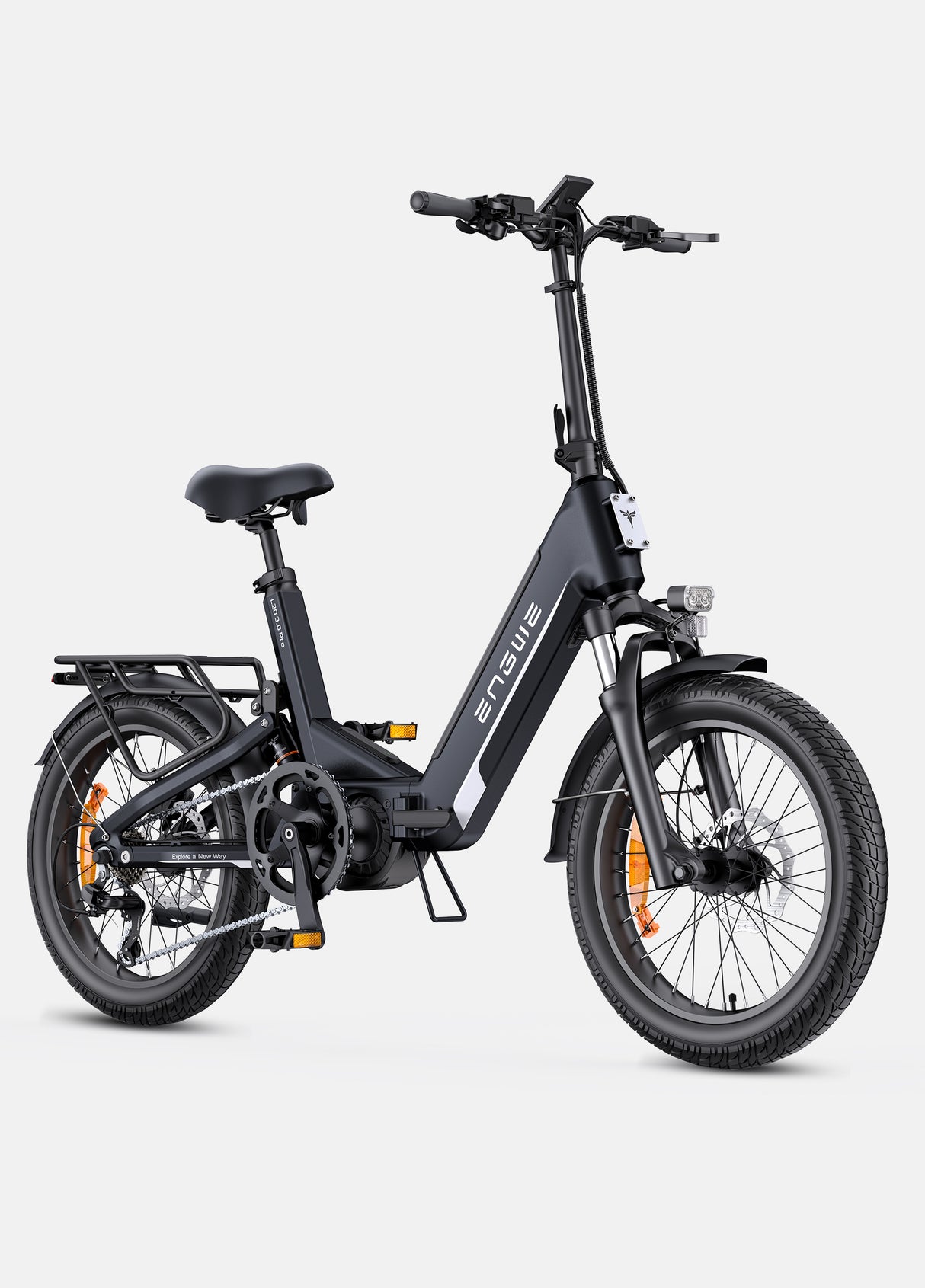
Bicicleta elétrica compacta com motor central de 250 W e 100 Nm, suspensão total e design compacto.
Comprar agoraEscolher uma bicicleta elétrica com os recursos certos de conveniência e autonomia também pode minimizar ou eliminar essa dependência de recargas públicas. Quanto melhor a bicicleta elétrica, mais longe você poderá ir com uma única carga — e mais ela eliminará as grandes desvantagens de possuir uma (como a necessidade ocasional de recarga pública), oferecendo conveniência, segurança e praticidade. Aqui está uma marca onde
É aí que o

-
Capacidade gigante da bateria & Faixa
O
L20 3.0 Pro Possui uma bateria de 720Wh com células Samsung de alta qualidade. Essa potência oferece uma autonomia extraordinária de até 160 km, suficiente para a maioria dos seus deslocamentos diários e passeios de fim de semana, sem que você precise procurar uma tomada. -
Remova facilmente a bateria para máxima conveniência:
Uma autonomia máxima de bateria de até 6 horas (varia conforme o uso), a melhor da categoria, com uma bateria facilmente removível. Você não precisa carregar sua bicicleta inteira até um café ou até seu apartamento. Basta destravar a bateria, levá-la para dentro de casa e carregá-la em qualquer tomada. Isso garante um carregamento seguro, fácil e discreto.
-
Carregamento rápido de 8A:
Suporta carregamento de 0 a 80% em 30 minutos, quando sua tarefa está a um passo de ser concluída. Suporta carregamento rápido de 8A, reduzindo significativamente o tempo de inatividade em comparação com carregadores padrão e permitindo maior aproveitamento do dispositivo em trânsito.
-
Segurança incomparável com
ENGWE IoT:Na hora de carregar a bicicleta, soltar-se dela, sua preciosa bicicleta elétrica, causa ansiedade.
ENGWE Você terá tudo isso sob controle com um módulo IoT avançado. Este sistema também oferece rastreamento GPS em tempo real, conectividade 4G e monitoramento via aplicativo, garantindo que você nunca mais precise se preocupar. -
Poderoso & Desempenho de condução suave
Além da sua potente capacidade de carregamento, a bicicleta possui um motor central Mivice de 250 W de alto desempenho, que oferece um torque impressionante de 100 N.m e incrível capacidade de subida. A suspensão traseira reduz 90% da vibração da estrada e o selim reforçado é macio e confortável.
Hábitos e estratégias essenciais para carregamento público
Além do hardware, com alguns hábitos e estratégias cruciais, sua experiência de carregamento público pode se tornar menos estressante e mais natural. Nesta seção, você encontrará cinco dicas práticas para qualquer ciclista de bicicleta elétrica que queira ir além da autonomia típica da sua bicicleta. Elas abrangem preparação, tecnologia, planejamento e cuidados com a bateria, abordando o desafio de manter a energia sempre disponível sob todos os ângulos. Adicione essas dicas à sua lista e você economizará tempo, concentrará seus esforços, pedalará melhor e estará mais preparado para sua próxima longa viagem.
-
Regra geral: leve seu carregador com você.
Por mais estranho que pareça, é verdade. De fato, adiciona um pouco de peso, mas o carregador é o que vai te permitir entrar — ou pelo menos acessar quase todos os pontos de recarga. As estações públicas geralmente oferecem tomadas de parede. Mantenha-o em uma alforje ou mochila para garantir que você nunca fique sem.
-
Use os aplicativos da estação de carregamento:
Aplicativos para smartphones, como o PlugShare, ajudam você a localizar e avaliar pontos de recarga públicos. Você pode pesquisar tomadas de parede padrão e verificar os comentários de outros usuários para determinar se um local é confiável — e gratuito também!
-
Planeje sua rota incluindo paradas para recarga:
Para viagens longas, inclua paradas para recarregar no seu planejamento. Encontre lugares onde você gostaria de passar um tempo: um parque agradável com tomadas, um museu ou talvez um café que você esteja querendo experimentar. Além disso, uma pausa de 60 a 90 minutos para o almoço geralmente é tempo suficiente para recarregar bastante a bateria.
-
Carregue de forma inteligente para uma bateria mais saudável:
Você não precisa carregar a bateria até 100%. Na verdade, as baterias de íon-lítio funcionam melhor quando mantidas entre 20% e 80% de carga. Essa faixa também permite a recarga mais rápida. Completar os últimos 20% leva muito mais tempo.
-
Segurança em primeiro lugar, sempre:
Sua bicicleta corre riscos quando você a conecta à tomada enquanto estiver pedalando. Sempre prenda o quadro a um objeto seguro com uma trava em U de alta qualidade ou uma corrente resistente. Se não for possível remover a bateria ou se você precisar deixá-la na bicicleta, passe um cadeado de cabo secundário por uma das alças de transporte e ao redor do quadro.

Etiqueta de carregamento, equipamentos essenciais e perguntas frequentes
E, no fim das contas, o sucesso no carregamento público vai além de simplesmente encontrar uma tomada ou um carregador rápido abandonado; também envolve ser um bom vizinho e ter o equipamento certo à mão. Boas maneiras ajudam a manter as estações de carregamento como um local agradável para todos, e alguns equipamentos essenciais podem transformar um imprevisto em um pequeno transtorno. Estar preparado não só beneficia você, como também contribui para uma melhor experiência de carregamento para todos.
Etiqueta para carregamento em locais públicos:
- Evite ocupar um lugar quando não for necessário: Após carregar sua bicicleta, remova-a da tomada para permitir que outras também carreguem. Sempre que possível, utilize aplicativos para monitorar remotamente o status do carregamento.
- Mantenha a área limpa e segura: Organize seus cabos e evite que eles se tornem um risco de tropeçar. Não jogue lixo no chão.
- Denunciar estações quebradas: Se você encontrar uma estação de carregamento que não esteja funcionando, informe o proprietário do imóvel ou através do aplicativo correspondente. Isso ajuda toda a comunidade.
Alguns equipamentos importantes para levar:
- Uma fechadura de alta segurança: Isso é obviamente inegociável. Uma fechadura de boa qualidade de uma marca confiável é a melhor proteção contra roubos.
- Um cabo de extensão curto e resistente: De vez em quando, uma tomada está tentadoramente fora de alcance. Um cabo de extensão curto (de 90 cm a 1,8 m) pode salvar o dia e, além disso, é compacto e fácil de transportar.
- Capas impermeáveis: Se você planeja carregar sua moto em condições climáticas incertas, considere usar uma capa impermeável para o visor e uma pequena bolsa estanque para o carregador para evitar danos dispendiosos causados pela água.
Quanto tempo leva para a bateria da bicicleta elétrica carregar em locais públicos?
O número varia dependendo do tamanho da sua bateria e da potência do seu carregador. Mas, para uma bateria de 500 a 700 Wh, você pode esperar um aumento significativo na autonomia (cerca de 40 a 60%) em aproximadamente duas a três horas com um carregador comum.
É seguro carregar minha bicicleta elétrica na chuva?
É fortemente desaconselhado. Água e eletricidade não combinam. Encontre um local coberto ou interno para carregar a sua bicicleta e certifique-se de que tanto a tomada quanto a porta de carregamento estejam completamente secas antes de conectar.
Como posso encontrar estabelecimentos comerciais que aceitam bicicletas elétricas?
Procure por adesivos de "estabelecimentos amigos da bicicleta" nas vitrines ou consulte fóruns e aplicativos online para dicas compartilhadas por ciclistas. Cafés, cervejarias e lojas de bicicletas locais geralmente são muito receptivos a ciclistas que utilizam seus serviços.
Se você puder fazer isso usando pontos de recarga públicos, sua bicicleta elétrica mostrará todo o seu potencial.