O cenário em transformação das bicicletas elétricas para jovens
O cenário do ciclismo jovem está mudando rapidamente, e as bicicletas elétricas de 24 polegadas são apenas a ponta do iceberg. Esses modelos têm a combinação perfeita de ergonomia, potência e segurança, ideal para o seu tamanho e peso, tornando-os veículos perfeitos para encarar quilômetros de indecisão, acabar com a diversão e arrasar no visual. & Resistentes nas subidas mais íngremes. Nosso guia apresenta as 5 melhores bicicletas elétricas de 24 polegadas para jovens, testadas e pesquisadas nos mínimos detalhes para que você possa fazer a melhor escolha e preparar sua família para a próxima grande aventura.
Foco na Qualidade: O ENGWE Exemplo
Ao avaliar a escolha ideal para um jovem ciclista, os pais farão bem em se concentrar em marcas conhecidas por produtos que oferecem design inovador, segurança, funcionalidade e estilo.

ENGWE L20 3.0 Boost Destaques
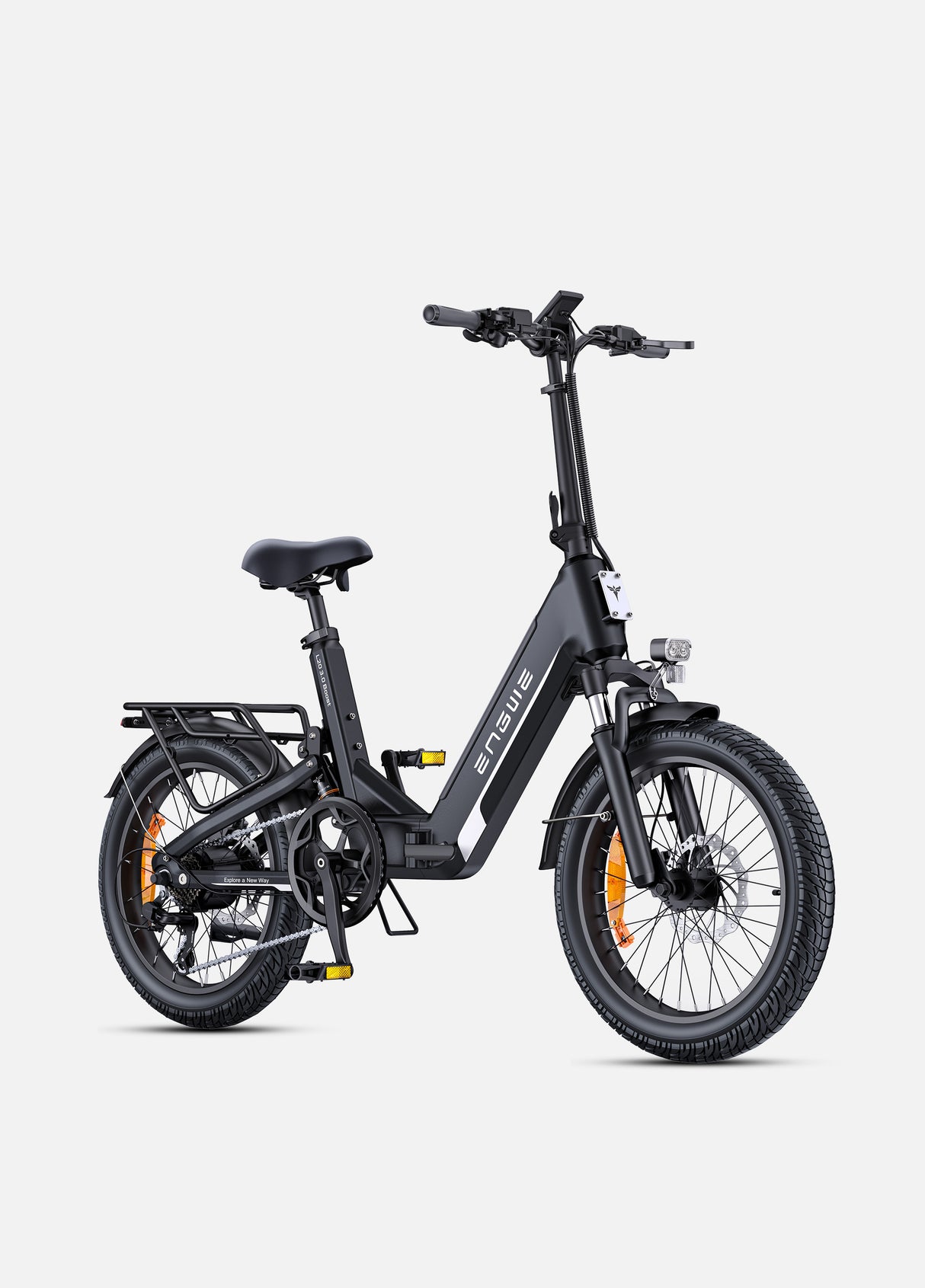
Bicicleta elétrica compacta com suspensão total, potência de 250 W e torque de 75 Nm.
Comprar agora-
Bicicleta de estrada ergonômica e confortável:
Enquanto a maioria das bicicletas de estrada são desconfortáveis e fazem você se curvar demais, sua nova 3.0 Boost oferece o equilíbrio perfeito entre uma posição de pilotagem ereta e aerodinâmica. Em outras palavras, para o jovem ciclista, isso significa uma pedalada mais suave, menos impactos em trilhas ou trechos irregulares, e mais controle, o que resulta em mais confiança em todos os tipos de terreno.
-
Fornecimento instantâneo de energia:
Isso é possível graças a um Modo Boost especial, que fornece 75 Nm de torque instantâneo. É perfeito para subir ladeiras com segurança ou para arrancar com rapidez e controle nos semáforos. O sensor de torque intuitivo fornece potência proporcional ao nível de assistência e simula a sensação da pedalada natural, permitindo que os jovens ciclistas se acostumem a percursos longos sem esforço.
-
Construção de qualidade premium:
Os freios a disco hidráulicos de 180 mm oferecem uma frenagem confiável em qualquer clima, elevando este veículo ao ápice da engenharia! 20" x 3.0" Os pneus resistentes a furos proporcionam estabilidade e tranquilidade mesmo nos terrenos mais difíceis. Essas são as características premium que os pais exigentes procuram.
ENGWE torna-os padrão.
Mas, além da marca principal, é fundamental entender as principais métricas de desempenho para escolher a bicicleta elétrica ideal para as necessidades específicas do seu filho e para o ambiente em que ele pedala. Claro, o motor e a bateria são essenciais em qualquer bicicleta elétrica, mas, em um modelo infantil, a forma como eles funcionam é tão importante quanto os números brutos. Uma bicicleta elétrica com potência excessiva ou que dá solavancos pode ser intimidante; uma com potência insuficiente pode dar a sensação de estar puxando um trenó. Busque um equilíbrio que inspire confiança.
-
Potência e tipo do motor:
O motor de cubo de 250 W é um padrão da indústria para bicicletas elétricas infantis, oferecendo um bom equilíbrio de assistência sem ser excessivo. Tem potência suficiente para subidas, mas é fácil de manusear para os mais pequenos.
-
Autonomia e carregamento da bateria:
Pense no uso que você fará da bicicleta. Para passeios no bairro, uma bateria menor é suficiente. Já um modelo com autonomia de pelo menos 80 km com uma única carga é ideal para trilhas mais longas em família. Com o carregamento rápido incluso como uma grande vantagem, os usuários não precisam se preocupar com longas esperas entre os passeios.
-
Tecnologia de sensores:
Isso é muito importante. Os sensores de cadência fornecem potência assim que os pedais começam a girar, o que pode causar uma sensação abrupta. Mas um sensor de torque O sistema mede a força aplicada pelo ciclista nos pedais e fornece assistência com base nisso. O resultado é uma experiência fluida e natural, mais próxima do ciclismo tradicional do que nunca — e oferece mais controle sobre a pedalada, o que é a melhor recomendação possível para bicicletas elétricas para jovens.

Segurança em primeiro lugar: recursos inegociáveis
A segurança deve ser a principal prioridade ao escolher uma bicicleta elétrica para uma criança. Um bom modelo infantil não é uma versão miniaturizada de uma bicicleta adulta, mas sim um projeto completo, com recursos de segurança e controle adaptados para ciclistas mais jovens, que geralmente têm menos habilidade. Esses aspectos são imprescindíveis e devem estar no topo da sua lista de prioridades. Analisamos os sistemas de freio, os pneus e o design do quadro para verificar se o fabricante realmente se preocupa com a segurança dos ciclistas.
-
Sistemas de freio:
Os freios a disco hidráulicos são, sem dúvida, a melhor opção. Requerem menos força manual para serem acionados e oferecem uma frenagem mais consistente e superior em condições de piso molhado ou seco, em comparação com freios a disco mecânicos ou freios de aro. Para garantir um bom desempenho, escolha rotores com diâmetro mínimo de 160 mm.
-
Pneus e estabilidade:
Com pneus de 2,4 polegadas ou mais, haverá uma grande área de contato com o solo, resultando em boa estabilidade e aderência. Isso proporciona confiança, principalmente em condições mais instáveis, como em caminhos de cascalho. Revestimentos resistentes a furos são ótimos; sem risco de furos.
-
Quadro & Ergonomia:
É importante que a altura do quadro seja baixa. Isso permite que a criança suba e desça da bicicleta com facilidade, além de conseguir apoiar os pés no chão confortavelmente caso precise parar bruscamente. Uma posição de pilotagem ereta também é desejável para melhor visibilidade e controle.
-
Controle de velocidade e potência:
Certifique-se de que a bicicleta elétrica ofereça vários níveis de assistência ao pedal. Isso permite que seu filho comece no nível mais baixo e, em seguida, aumente a assistência gradualmente conforme necessário, à medida que sua habilidade e confiança melhorarem. Na maioria dos casos, as bicicletas elétricas infantis têm, e devem ter, velocidade limitada por questões de segurança.
Principais concorrentes para 2025
Para que você tenha uma ideia do cenário competitivo, aqui estão quatro concorrentes de ponta no segmento de bicicletas elétricas infantis de 24 polegadas para 2025. Todas são oferecidas em diversas configurações, cada uma com seus pontos fortes, e atendem a diferentes desejos e orçamentos dos ciclistas. Elas estão entre as opções mais desejáveis, destacando-se pelo excelente desempenho, recursos de segurança e componentes de marcas renomadas. Comparar as principais especificações lado a lado pode ajudar a definir qual bicicleta melhor se alinha às características importantes para você, seja autonomia, peso ou capacidade off-road.
| Nome do modelo | Motor | Bateria | Tipo de freio | Recurso especial |
|---|---|---|---|---|
| Woom UP 5 | Fazua 250W | 250Wh | Discos hidráulicos | A estrutura é muito robusta apesar de ser leve (cerca de 13 kg), e os componentes são de alta qualidade, respondendo imediatamente para uma direção e aceleração precisas. |
| Bicicletas Rad Power RadRunner 24" | Hub de 250 W | 500Wh | Disco mecânico | Capacidade de até 300 libras. |
| Trek Wahoo+ | Hub de 250 W | 250Wh | Disco hidráulico | Peças de marca reconhecida. |
| Specialized Turbo Levo SL Kids | Brose 250W | 320Wh | Disco hidráulico | Suspensão ajustada para trilhas. |

Fazendo um investimento inteligente
Comprar de forma inteligente vai além das funcionalidades iniciais; trata-se de considerar o valor a longo prazo, bem como a manutenção e o custo total de propriedade. Uma bicicleta elétrica bem escolhida para crianças pode durar anos e proporcionar momentos de pura diversão, tornando-se um ótimo investimento no bem-estar e na felicidade delas. Com algumas escolhas inteligentes e as informações certas, você pode garantir que está investindo em algo que não vai quebrar ou se desgastar depois de alguns anos.
Estratégia de Compras:
- Tempo: Você pode economizar mais comprando fora dos períodos de maior movimento, como no final do outono ou em grandes feriados como a Black Friday.
- Do fabricante: Talvez você consiga um atendimento ao cliente ainda melhor ou um desconto exclusivo em pacotes promocionais ao comprar diretamente da fonte.
Como testamos a qualidade da construção:
- Componentes: Procure por marcas de componentes confiáveis, como Shimano (transmissão) e Tektro (freios). Isso indica uma construção sólida.
- Qualidade das soldas da estrutura: Inspecione a qualidade das soldas na estrutura para garantir uma unidade de boa qualidade e maior durabilidade.
Futuros do Investimento: Protegendo seu Investimento para o Futuro:
- Ajustabilidade: Procure um modelo com canote e guidão altamente ajustáveis. Isso significa que a bicicleta pode ser configurada para seu filho, oferecendo vários anos de uso.
- Garantia e suporte: Uma garantia justa demonstra que a empresa confia no seu produto. Escolha marcas que ofereçam uma garantia completa (de pelo menos 2 anos para a estrutura e 1 ano para os componentes eletrônicos) e que tenham um bom histórico de suporte ao cliente.
Qual é o recurso de segurança mais importante em uma bicicleta elétrica infantil?
Nada menos que um excelente sistema de freios, mas, se possível, freios a disco hidráulicos. Eles funcionam melhor do que quase qualquer outro, faça chuva ou faça sol, e isso é importante para a segurança e o controle de um jovem piloto.
Qual é realmente a extensão necessária para o alcance?
Para necessidades do dia a dia, como ir à escola ou passear pela cidade, uma autonomia estimada de 40 a 60 km é suficiente. Para famílias que planejam viagens mais longas, procure um modelo com autonomia de 80 km ou mais.
Vale a pena o custo adicional de um sensor de torque para uma criança?
Com certeza. Substituindo um sensor de cadência mais básico, o sensor de torque não só fornece potência de uma forma mais suave, natural e intuitiva, como também é significativamente mais seguro e fácil de controlar para as crianças.
A bicicleta elétrica certa abrirá um mundo inteiro de aventuras e diversão para o seu filho!