Proteja seu investimento: por que um rastreador GPS é essencial.
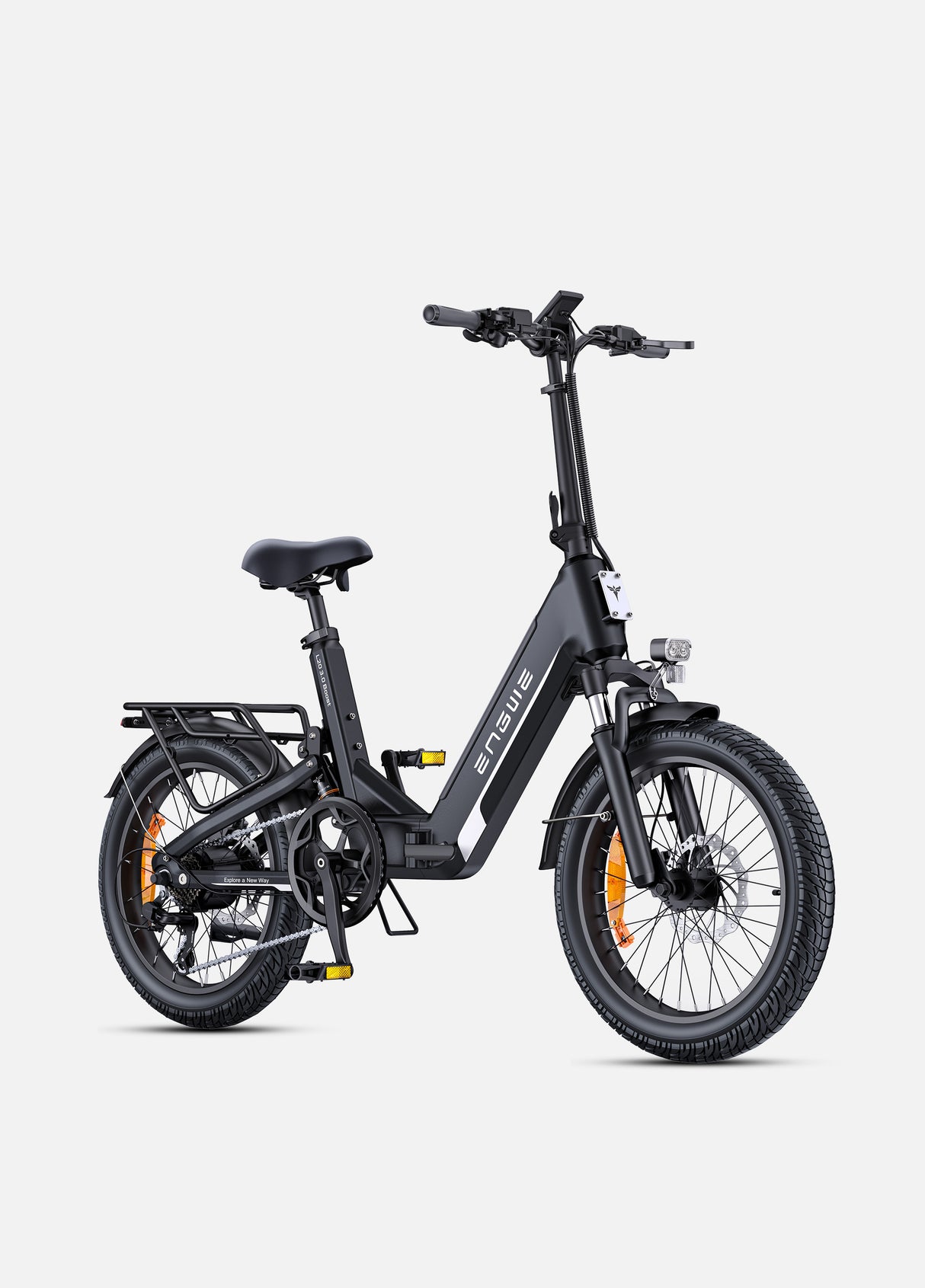
Bicicleta elétrica compacta com suspensão total, potência de 250 W e torque de 75 Nm.
Comprar agoraQuanto mais bicicletas elétricas circulam pelas ruas, maior a probabilidade de serem roubadas. Um bom cadeado reflete a qualidade, mas para total tranquilidade e maior chance de recuperação, um rastreador GPS é essencial. Este guia separa os melhores dos demais, detalhando os cinco aspectos mais importantes que você deve considerar antes de escolher o cadeado ideal para sua bicicleta elétrica e garantir a segurança da sua nova máquina.
O ativo que você está protegendo deve ser o ponto de partida para sua estratégia de segurança. Uma bicicleta elétrica de alta gama exige uma solução de segurança de alta gama. Veja o

Principais especificações do ENGWE L20 3.0 Boost :
- Motor: Motor de cubo padrão europeu de 250 W
- Torque máximo: 75 Nm. Observe que o novo motor terá apenas 9 Nm em alta velocidade, mas com o dobro da potência, já que você será duas vezes mais rápido com a mesma potência de saída. Kit de bicicleta elétrica dobrável com transmissão por parafuso incluído: Motor: o mesmo motor da Bafang; Freio: alavanca recortada para ambos os lados, acelerador instalado à direita.
- Bateria: Bateria de íon-lítio de 48V, 13,5Ah/60V 14Ah ** NÃO compatível com LR **
- Distância máxima: 135 km (Modo automático com ajuste à distância percorrida, temperatura ambiente, nível da bateria e informações do terreno)
- Carregando: Carregador rápido de 8A (tempo estimado de carregamento de 2 horas)
- Tipo de choque: Suspensão total (dianteira) & sob o assento (Variantes de tipos de amortecedores dianteiros, consulte o catálogo para obter detalhes).
- Freios: Freios a disco hidráulicos de 180 mm
- Sensor: Sensor de torque
- Especificações: Design dobrável, 3.5" Tela colorida com Bluetooth
Compreendendo a funcionalidade principal do rastreador
A principal função de qualquer dispositivo de rastreamento GPS é reportar a localização da sua bicicleta elétrica de forma precisa e consistente em tempo real. Essa capacidade depende da tecnologia, da frequência de atualização da localização e da cobertura da rede. Diferentes dispositivos oferecem diferentes níveis de precisão, e é importante entender em que se baseia a tecnologia de rastreamento de cada um. Um rastreador com alta taxa de atualização (a cada 30 segundos, por exemplo, enquanto a bicicleta estiver em movimento) é a melhor opção para seguir o rastro de um ladrão. Procure dispositivos que utilizem uma combinação de GPS para precisão em ambientes externos e redes celulares (como 4G LTE) para transmitir essas informações para o seu smartphone. Alguns até mesmo utilizam Wi-Fi ou Bluetooth para uma localização mais precisa em ambientes urbanos ou internos, onde os sinais de GPS podem ser problemáticos.
Principais ferramentas de rastreamento para funcionalidades essenciais:
Rastreador GPS Invoxia:
Funciona em redes de baixa potência, proporcionando assim a combinação perfeita de rastreamento em tempo real e baixo consumo de bateria, que normalmente dura alguns meses com uma única carga.
Rastreador de Bicicletas Sherlock:
Uma alternativa para quem sabe das coisas e busca discrição a qualquer custo. Ele fica completamente escondido dentro do guidão da sua bicicleta elétrica, então não há como um ladrão simplesmente o detectar e removê-lo num piscar de olhos.
Escoteiro Knog:
Este rastreador é alimentado pela extensa rede Buscar da Apple. Embora não seja um GPS tradicional "em tempo real", pois em vez disso utiliza sinais de outros dispositivos Apple próximos, ele oferece um rastreamento de localização altamente eficaz em áreas povoadas e não requer assinatura.
Monimoto 7:
Este rastreador só começa a se mover quando detecta movimento. Ele permanece em modo de espera até que o seu chaveiro pareado esteja muito longe e detecte movimento novamente, enviando alertas de rastreamento para o seu celular e economizando bateria para quando for mais necessário.

Instalação e Energia: Discrição e Sustentabilidade
Um rastreador que um ladrão consegue localizar e descartar em segundos não serve para nada. Portanto, posicionamento discreto e uma fonte de alimentação acessível são essenciais. Os melhores rastreadores não são maiores que um isqueiro e podem ser escondidos em uma bicicleta elétrica em locais que não sejam imediatamente óbvios para o ladrão – dentro do tubo do selim, por exemplo, sob o selim ou dentro da carcaça do motor. A instalação deve corresponder ao seu nível de familiaridade com tecnologia: alguns são dispositivos fáceis de colar ou prender com uma tira, enquanto outros podem exigir a conexão com a fiação da sua bicicleta elétrica. A escolha crucial diz respeito à fonte de energia. Uma bateria recarregável e independente oferece uma instalação fácil, mas você precisará se lembrar de carregá-la de tempos em tempos. Para economizar e evitar complicações, procure modelos com duração de bateria de pelo menos algumas semanas. Por outro lado, um rastreador com fio que se conecta diretamente à bateria da sua bicicleta elétrica oferece uma opção mais prática, do tipo "instale e esqueça", mas é um pouco mais complicado de instalar e pode até exigir assistência profissional.
Fatores a considerar para instalação e alimentação elétrica:
Disfarces Inteligentes:
Alguns rastreadores vêm disfarçados de acessórios comuns para bicicletas, como uma lanterna traseira ou um suporte para garrafa, o que não necessariamente protegerá o chassi, mas pode garantir que ninguém saiba que você está rastreando a bicicleta.
Instalação "faça você mesmo" versus instalação profissional:
Se optar por um rastreador com fio, certifique-se de que a voltagem seja compatível com o sistema da sua bicicleta elétrica (e.g. , 48V) para evitar danos ao circuito elétrico. Se você não se sente confortável com fios, definitivamente inclua um mecânico de bicicletas no seu orçamento.
Duração da bateria:
Outro fator a considerar em relação à bateria, além de sua capacidade, é a facilidade e a antecedência com que o aplicativo do seu rastreador emite alertas de nível baixo.
O custo da segurança: assinatura versus compra única
O custo de um rastreador GPS é considerado a longo prazo, a partir do preço de compra. É preciso calcular o custo total de propriedade, que depende da existência ou não de uma assinatura contínua. Esses dois modelos de preços atraem diferentes tipos de usuários. No caso de rastreadores com assinatura mensal, o custo inicial do próprio rastreador pode ser bem menor que US$ 100, mas, além do pagamento inicial, há uma mensalidade até que o equipamento seja adquirido. Esse modelo garante que o dispositivo esteja sempre pronto para se conectar. Por outro lado, alguns rastreadores têm um custo inicial mais alto, mas oferecem um bom custo-benefício ao longo do tempo, sem taxas recorrentes. O Knog Scout, por exemplo, usa a rede "Buscar" da Apple para se conectar à enorme variedade de iPhones e iPads disponíveis; você não precisa de um plano de celular. Some o custo de dois ou três anos e veja qual é o mais econômico para você.
| Tipo de rastreador | Função principal | Fonte de alimentação | Modelo de Preços |
|---|---|---|---|
| Rastreador GPS Invoxia | Rastreamento em tempo real, baixo consumo de energia | Bateria recarregável | Baseado em assinatura |
| Rastreador de Bicicletas Sherlock | Integração de guidão discreto | Bateria integrada | Assinatura após o período inicial |
| Escoteiro Knog | Apple Encontrar Minha Rede & Alarme | Bateria interna | Compra única |
| Monimoto 7 | Rastreamento ativado por movimento & Alertas | Bateria interna | Baseado em assinatura |

Funcionalidades inteligentes e perguntas frequentes
Além de simplesmente rastrear uma bicicleta roubada, os produtos atuais contam com recursos inteligentes que ajudam a prevenir roubos e oferecem controle preciso. Dito isso, o geofencing é uma das ferramentas mais poderosas disponíveis. Dica do usuário: Assim que você ativar o rastreador, defina uma cerca virtual (um limite virtual) ao redor do seu local de trabalho ou de casa. Se sua bicicleta elétrica sair dessa zona segura definida sem a sua permissão — ou seja, fora de um determinado raio ou limite predefinido — você receberá um alerta instantâneo no seu celular. Embora o celular notifique qualquer movimento não autorizado assim que ele ocorrer, os alertas de movimento do acelerômetro interno também são bastante eficazes. Alguns rastreadores mais avançados, como o Knog Scout, possuem um alarme sonoro ensurdecedor que é acionado remotamente pelo celular, o que pode tornar a tentativa de interceptação mais demorada e barulhenta. O aplicativo complementar para celular também é fundamental. Ele deve ser intuitivo, confiável e oferecer um botão simples para verificar os níveis da bateria, além de configurações e a possibilidade de compartilhar um link de rastreamento ao vivo com as autoridades.
Principais funcionalidades inteligentes a considerar:
- Geocercas personalizáveis: Crie quantas zonas seguras forem necessárias.
- Sensibilidade de movimento personalizável: Evite alarmes falsos causados por movimentos inócuos.
- Ativação por proximidade Bluetooth: Alguns sistemas podem ativar ou desativar o alarme automaticamente, dependendo da sua proximidade com o seu telefone dentro do alcance do Bluetooth.
- Histórico e estatísticas da viagem: Um recurso adicional para registrar rotas, velocidades e distâncias percorridas.
Qual é a característica mais importante em um rastreador GPS para bicicletas elétricas?
O desempenho é o aspecto fundamental aqui. Um rastreador só é tão bom quanto sua conexão de rede e a duração da bateria. Para ser confiável quando mais importa, você precisa de sinal; o resto das funcionalidades é secundário.
Um criminoso pode usar um bloqueador de GPS para me impedir de rastrear minha bicicleta elétrica?
É possível, mas poucos roubos comuns de bicicletas elétricas utilizam esse método. Bloqueadores de sinal são ilegais e não são o tipo de dispositivo que um ladrão típico possui. Rastreadores servem principalmente para dar uma chance de recuperação em casos de roubo oportunista.
A instalação de um rastreador profissional com fio na minha bicicleta anulará a garantia?
Potencialmente, sim. Antes de começar a usar o sistema elétrico da sua bicicleta elétrica, sempre verifique a política de garantia com o fabricante. Se estiver preocupado, o melhor é optar por um rastreador com bateria própria de longa duração.
Em resumo, escolher o rastreador GPS certo pode servir como uma excelente camada adicional de segurança e melhorar drasticamente suas chances de recuperar uma bicicleta elétrica roubada.