Entendendo a fundo a ciência por trás do conforto ao pedalar
Sua bicicleta elétrica é liberdade, e essa liberdade não significa nada se for limitada por um selim desconfortável. O principal motivo pelo qual os ciclistas encurtam seus passeios: um selim desconfortável. Isso não é trivial; é o principal ponto de contato entre você e sua máquina. Este guia vai além do marketing e se concentra nos aspectos que realmente tornam seu passeio melhor. Junte-se a nós enquanto exploramos os ingredientes essenciais para o conforto em bicicletas elétricas e apresentamos o melhor de 2025.
A primeira dimensão do conforto ideal ao pedalar é espacial. O selim perfeito para um estilo de pedalada pode ser um tormento para outro. Portanto, determinar sua postura predominante é o primeiro passo indispensável. Uma escolha errada aqui significa que, independentemente do quanto você gaste, você estará lutando contra o desconforto. Dividimos as opções nas categorias mais comuns para ajudá-lo a diagnosticar suas necessidades e escolher um modelo que funcione com seu corpo, e não contra ele.
Posição ereta/de cruzeiro (ângulo de inclinação das costas de 90 graus):
Nessa posição de pilotagem casual, o peso se concentra nas nádegas. Você precisa de um selim largo e acolchoado para distribuir essa pressão adequadamente. O segredo é escolher um modelo que ofereça acolchoamento suficiente e, se possível, suspensão com molas ou elastômero.
Posição moderada/de lazer (ângulo das costas de 60 graus):
Esse tipo de posição é típico de bicicletas elétricas híbridas e urbanas. Você fica um pouco curvado, sem apoiar totalmente o peso nos ísquios. O selim ideal nessas circunstâncias é um de largura média e que tenha algum tipo de recorte anatômico ou canal central para aliviar a pressão no períneo.
Posição agressiva/esportiva (ângulo das costas de 30 a 45 graus):
Você fica inclinado para a frente e curvado, daquela maneira que flexiona os quadris e fortalece o abdômen, típica das bicicletas elétricas feitas para descer estradas em alta velocidade ou percorrer trilhas em alta velocidade. Os ramos púbicos, e não os ísquios principais, estão suportando seu peso. Nessa situação, você precisará de um selim mais longo para evitar o atrito entre as coxas e manter a capacidade de se movimentar.
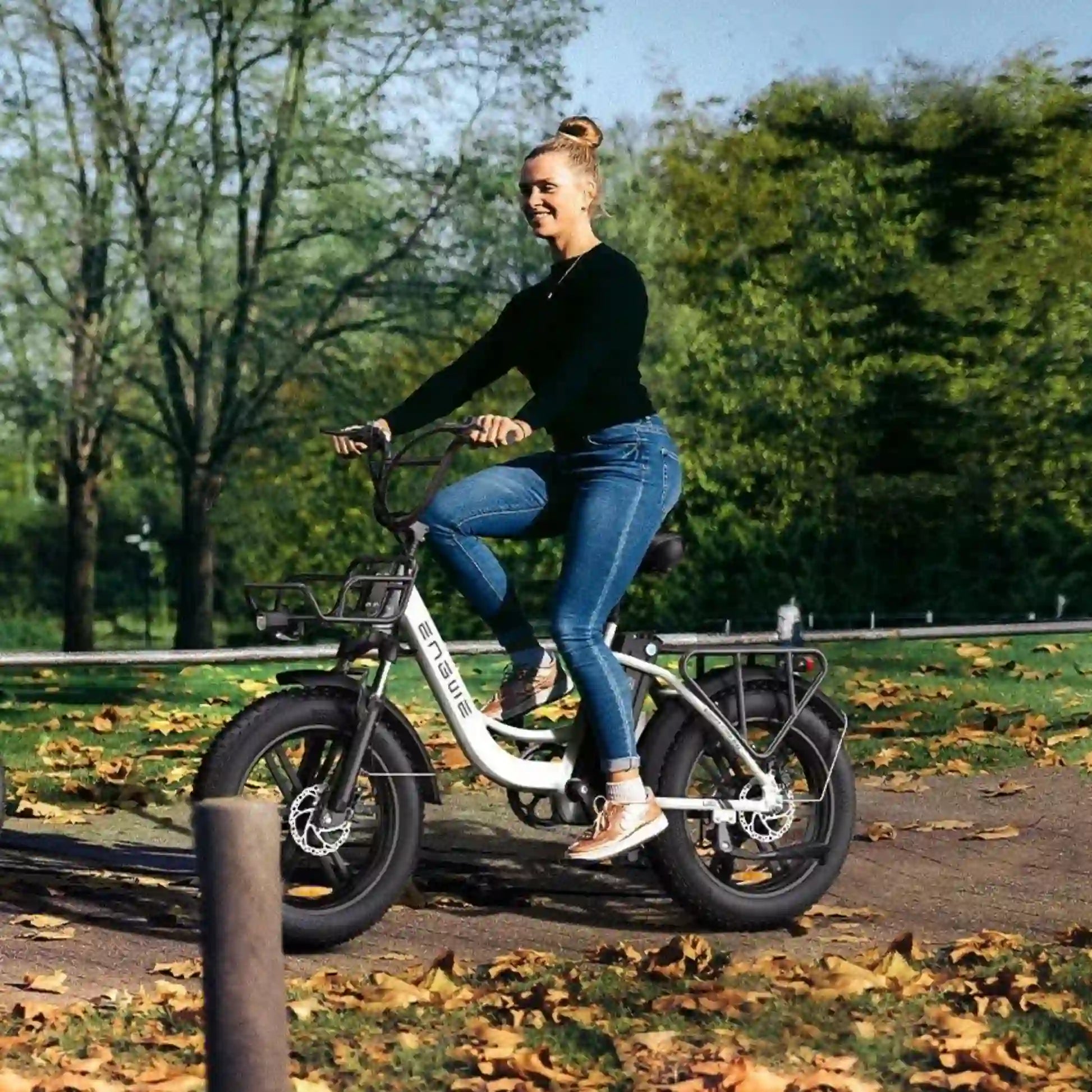
Conforto Integrado: O ENGWE Filosofia
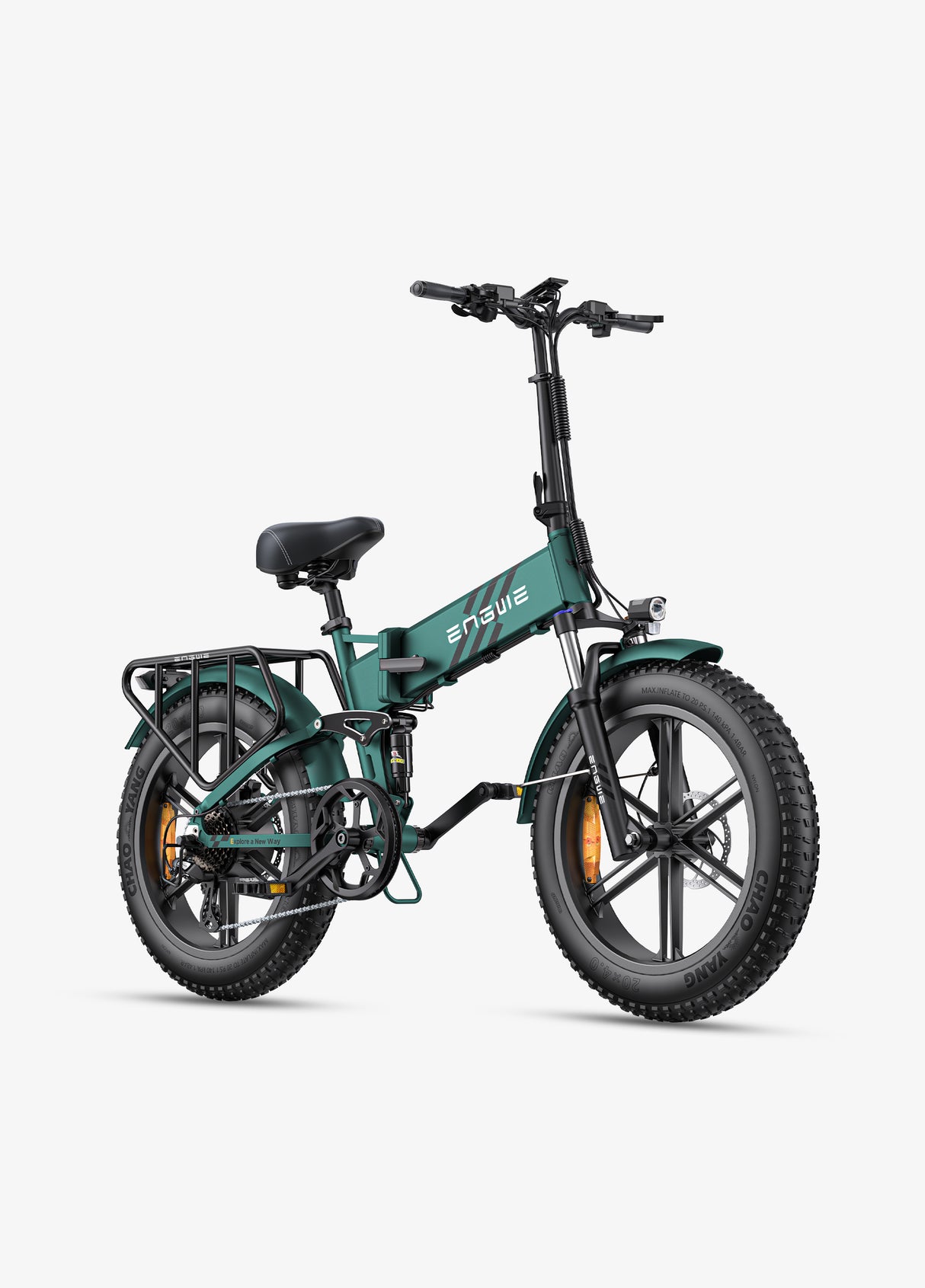
Bicicleta elétrica dobrável para aventuras ao ar livre com alto torque de 75 Nm
Comprar agoraMas o verdadeiro conforto é mais do que um recurso adicional; é um projeto, onde toda a bicicleta elétrica foi desenvolvida para proporcionar conforto e facilitar a condução. É isso que...
Sistema de suspensão total de alta qualidade:
Esse
Pneus largos de alto volume:
O 20" x 4.0" Os pneus largos para todos os terrenos funcionam como a primeira linha de suspensão da sua bicicleta, proporcionando amortecimento natural. Eles absorvem naturalmente as irregularidades do terreno, como pequenas ondulações, rachaduras e pavimentos ásperos.
Potência imediata e natural:
Equipada com nosso sensor de torque de última geração e um motor de alto torque de 75 Nm, a bicicleta oferece assistência instantânea e sem tempo de partida. Isso elimina aquela arrancada brusca e repentina que você pode encontrar em bicicletas elétricas de gama inferior, proporcionando uma condução mais suave e confortável.
Base ergonômica:
Com uma estrutura robusta de aço que se dobra em apenas 10 segundos, transmissão Shimano de 8 velocidades para uma condução suave e estabilidade excepcional, a

Materiais para selas: Gel vs. Espuma vs. Couro
O material do seu selim determina como ele se comporta ao longo dos anos de uso. Existem três materiais principais para selins — gel, espuma e couro — cada um com suas vantagens e desvantagens. Conhecer as diferenças é importante para encontrar um selim que se adapte ao seu estilo de pedalada e à sua disponibilidade para manutenção. Alguns materiais funcionam muito bem para curtos trajetos na cidade, mas podem se desgastar rapidamente em longas viagens, dia após dia, por exemplo.
Selins de gel:
São muito apreciadas pela forma como se moldam ao corpo e aliviam os pontos de pressão.
Ideal para: Ideal para passeios de fim de semana, deslocamentos curtos a médios e para quem busca conforto imediato.
Contras: O gel pode ser mais denso que a espuma e pode aquecer sob a luz solar direta ou migrar e endurecer, formando grumos desagradáveis.
Selins de espuma:
Provavelmente o material mais comum para selins de bicicleta, a espuma também está disponível em diversas densidades.
Ideal para: Ideal para diversos tipos de pedalada, desde as mais rápidas até as mais tranquilas. Espuma viscoelástica de alta densidade oferece suporte sem excesso de volume.
Dica de qualidade: Não compre selins super grossos e macios feitos com espuma de baixa densidade. Eles são inicialmente confortáveis, mas comprimem rapidamente (um sinal de que estão "chegando ao limite"), causando pontos de pressão em pedaladas mais longas. Um suporte mais firme costuma ser melhor.
Selins de couro:
A opção clássica, preferida pela sua durabilidade e ajuste perfeito.
Ideal para: Ideal para cicloturismo de longa distância, para quem usa a bicicleta diariamente o ano todo e para ciclistas interessados em uma bicicleta durável com visual clássico.
O que gostamos: Os aficionados por selins de couro elogiam a qualidade e o conforto do B17, embora seja necessário um período de adaptação para que ele se ajuste perfeitamente.
Melhores opções de upgrade de selim disponíveis no mercado de reposição para 2025
Embora haja uma bateria na estrutura, como aquela no
Para o tradicionalista (Brooks B17):
O modelo clássico para quem busca um visual em couro. Requer um período de amaciamento, mas com o tempo se moldará ao seu corpo, proporcionando um conforto personalizado incomparável para viagens de longa distância.
O melhor dos dois mundos: Selle Royal Respiro:
Extremamente popular, este modelo combina conforto e desempenho. Possui uma mistura de acolchoamento em gel e um excelente canal central que trabalham em conjunto para aliviar a pressão e manter a cabeça fresca durante os passeios diários.
Para o ciclista de montanha elétrico (Ergon SM E-Mountain Core):
Projetado especificamente para ciclistas de e-MTB, este selim possui um núcleo ergonômico que isola o ciclista das vibrações da trilha e foi desenvolvido para permitir mudanças de posição fáceis em trechos íngremes e técnicos.
Para máximo amortecimento (Cloud-9 Cruiser Select):
Se você busca conforto profundo e macio para uma experiência de pedalada em posição ereta, este é o selim ideal. Ele possui uma espuma de gel espessa de dupla densidade com suspensão de mola de elastômero para amortecer cada impacto.

A etapa final crucial: ajuste e regulagem do selim
Por fim, um selim caro e bem avaliado não funcionará se não estiver ajustado corretamente. Ajustar a posição do selim pode ser um dos ajustes mais baratos e fáceis para aumentar o conforto. Esta é a etapa mais subestimada, mas talvez a mais crucial. Um milímetro a mais ou a menos pode ser a diferença entre um passeio ótimo e um passeio péssimo. Aqui estão os passos principais que o guiarão para encontrar o ajuste perfeito. Você precisará de uma ferramenta multifuncional para fazer os ajustes e esteja preparado para fazê-los lentamente, com pequenos ajustes, testando a sensação após cada um.
| Ajuste | Problema típico | Resolução |
|---|---|---|
| Altura do selim | Dor no joelho | Muito baixo: Dor na parte da frente do joelho. Muito alto: Dor na parte de trás do joelho. Ajuste para que seu joelho fique flexionado entre 25 e 35 graus na parte inferior da pedalada. |
| Ângulo/Inclinação do Selim | Dormência | Provavelmente, o selim está inclinado muito para cima. Comece com o selim exatamente na horizontal e incline a ponta para baixo em apenas 1 a 2 graus de cada vez. |
| Posição para frente/para trás | Dor na mão/ombro | Você está deslizando para a frente e suportando o peso nos braços. Provavelmente, o selim está muito para a frente ou inclinado para baixo demais. Ajuste-o um pouco para trás. |
Como ajustar a altura:
Fique ao lado da sua bicicleta. O topo do selim deve estar aproximadamente na mesma altura do osso do quadril. Para um ajuste mais preciso, sente-se na bicicleta com o calcanhar no pedal; na parte inferior da pedalada, sua perna deve estar completamente esticada.
Como ajustar o ângulo:
Utilize um nível ou, caso não tenha um disponível, use o aplicativo de nível de bolha do seu smartphone, colocando-o sobre a estrutura principal do selim. Comece ajustando-o perfeitamente nivelado e, a partir daí, faça pequenos ajustes conforme o seu conforto.
Ajuste de Proa/Popa:
Você precisará afrouxar o(s) parafuso(s) de fixação do selim. Um bom ponto de partida é centralizar o selim nos trilhos. Deslize-o para frente ou para trás de acordo com a distância que você deseja alcançar o guidão.
Preciso trocar o selim da minha bicicleta elétrica. Com que frequência devo fazer isso?
A: Verifique se há desgaste, incluindo capas rasgadas, almofadas permanentemente comprimidas e trilhos tortos. Para um ciclista diário, um selim excelente deve durar de 2 a 4 anos, mas substitua-o sempre que se tornar desconfortável.
Trocar o canote do selim também pode ajudar no conforto?
A: Um canote de selim com suspensão é um ótimo upgrade e funcionará bem com o seu selim. Ele adiciona um nível extra de absorção de impacto, o que funciona particularmente bem em bicicletas rígidas sem suspensão traseira.
Precisa de calções de ciclismo acolchoados com um selim confortável?
A: Para passeios com menos de uma hora, um bom selim costuma ser tudo o que você precisa. Se você for passar muitas horas no selim, bermudas acolchoadas podem fazer toda a diferença — elas previnem assaduras, absorvem a umidade e oferecem bom suporte onde você precisa.
A melhor coisa que você pode fazer para que sua bicicleta elétrica seja incrível é investir em um selim adequado.